
Tlos Ancient City near Fethiye: Ruins, Tickets and Travel Tips
Walk the ruins of Tlos above the Xanthos Valley, from the Lycian tombs to the theatre. Here’s how to get there from Fethiye and pair it with Saklıkent.

Tlos Ancient City sits on a rocky hill above the Eşen Valley, also called the Xanthos Valley, about 40 km east of Fethiye. Give yourself around two hours to see the Lycian rock tombs, the hilltop fortifications and the theatre below. If you’re driving, Tlos in the morning and Saklıkent Gorge afterwards make a good inland day trip.
Look for Tlos Örenyeri in Yakaköy, Seydikemer when planning the route. From the foot of the hill you can see how the city developed around the acropolis, with tombs in the cliff and the public buildings spread out below.

Why Tlos mattered in ancient Lycia
Hittite sources mention a place called Dalawa, identified with Tlos. The city appears as Tlawa in Lycian inscriptions and became one of the principal members of the Lycian League, sharing its three-vote status with cities such as Patara and Myra. The visible remains span several eras. You’ll see Lycian tombs, a theatre with Hellenistic origins and later Roman work, a basilica and later fortifications. Akdeniz University’s excavation team has a fuller history of the site.
The acropolis rises on the western slope of the Akdağ mountains, overlooking the fields and routes of the Eşen Valley. From the hill, it’s easy to see the difference between an inland Lycian city and the port settlements along the coast. Türkiye submitted Tlos as part of the Ancient Cities of Lycian Civilization on UNESCO’s Tentative List.
What to see at Tlos
Acropolis and fortress. Start with a look up from the base of the hill, where you can see the way the walls follow the rock. Follow the signed paths if the climb is open. Look out across the valley for the best sense of where the ancient city sat in relation to the plains. The terrain is steep and uneven in places.
Lycian rock tombs and the Bellerophon Tomb. Find the carved façades in the slope below the fortifications. The Bellerophon Tomb is named for the mythological scene of Bellerophon, riding Pegasus, fighting the Chimera. The name comes from the carving. Ask staff which tombs you can see from the open paths and leave fenced areas undisturbed. If you’ve seen the Tomb of Amyntas in Fethiye, compare the stone façades here with the columns above the town. The Ministry’s Tlos guide describes the tomb and its relief.
Theatre and stadium. Set aside time for both. The theatre sits opposite the acropolis. The excavation team traces its first phase to the Hellenistic period and documents repeated work under the Romans. At the stadium, see how the seating follows one side of the site. Archaeologists found a long pool and fountain here, a clue that the space may have served several public functions. Read about the theatre excavations.
Agora, baths and basilica. These are useful stops for understanding life below the hill. The agora was a public square, and the baths and basilica show how the city’s lower terraces were used in later periods. Allow time to walk between them and check signs for any excavation or restoration closures.

Getting to Tlos from Fethiye
Driving gives you the most flexibility, especially if you want to visit the gorge afterwards. Head inland towards Seydikemer and follow signs for Yakaköy and the ruins. Look for parking near the site entrance. If you’re relying on public transport, MUTTAŞ lists route 5-12 between Fethiye and Yakaköy. Confirm the nearest stop, walking distance and return service on the official Seydikemer bus timetable before you go.
An organised day trip is another option. Ask how long the itinerary actually gives you at the ruins and whether the entrance tickets for Tlos and the gorge are included. The village stop, site entrance and return transport are worth confirming if you’re travelling without a car.
Tickets, opening hours and the climb
The Ministry ticket list gives €3 for standard entry. Its visitor page lists daily opening from 08:30 to 18:00 with the ticket office closing at 17:30, as checked in November 2026. Check both before heading out, especially late in the day or outside summer. Official admission list · Current Tlos opening hours.
Bring water, sun protection and shoes with grip. Spend extra time below the acropolis if you prefer to avoid the steepest stretch. A pushchair may be difficult on uneven surfaces, so ask which lower sections are accessible if mobility is an issue. Check facilities at the entrance and bring water even if you expect a café to be open.
Spring and autumn are comfortable for the climb. In July or August, visit early to avoid the hottest hours. In winter, allow for rain and slippery stone. If you want to combine the ruins with a beach day elsewhere in the trip, see our guide to the best time to visit Fethiye.
Pair Tlos with Saklıkent or a day on the Lycian Coast
Start at Tlos while the paths are cooler, take a break for lunch, then visit Saklıkent Gorge. It’s a separate site. Check which sections are open if it has rained recently or the river is running high. If the gorge is unsuitable on the day, keep Tlos as a half-day trip and spend the afternoon in Fethiye.
For a longer heritage itinerary, add Kayaköy near Fethiye or a walk on the Lycian Way on another day. Farther east, Myra in Demre and other ancient Lycian cities show how tombs, theatres and public spaces varied across the region.
If you’re taking the three-night Fethiye to Olympos cabin cruise, set aside a separate day in Fethiye before boarding for Tlos and Saklıkent. The gulet leaves from Fethiye and the land trip needs its own transport and tickets.
Frequently asked questions about Tlos Ancient City
Is Tlos worth visiting from Fethiye?
Yes, especially if you want to see Lycian tombs in their original hillside setting alongside a theatre, stadium and later ruins. It works well as a half-day outing from Fethiye.
How old is Tlos?
Written references to Dalawa, identified with Tlos, go back to the second millennium BCE. Many of the buildings you see on a visit are from later periods.
How much time do you need at Tlos?
Allow about two hours for the main ruins. Leave more time if you want to walk the upper paths and stop for photos.
Can children visit Tlos?
Yes. Stay close on rocky paths and drop-offs. The lower ruins are a better option for families who want to skip the steepest climb.
How difficult is the climb?
The acropolis is the steepest section. You can spend most of your time near the lower ruins and look up at the cliff tombs from below.
Can you visit Tlos and Saklıkent in one day?
Yes, especially by car or on a trip that includes both. Start at Tlos while it’s cooler and check conditions at the gorge before you go in.
When is Tlos quietest?
Try close to opening time for a quieter visit and cooler stone paths. In summer, morning is also the more comfortable time to climb.
How is Tlos connected to Demre?
Tlos and Myra, in present-day Demre, were both major cities in the Lycian League. See them on separate outings if you’re travelling along the coast.
More articles like this

Kayaköy Ghost Village: History and How to Visit from Fethiye
A practical guide to Kayaköy Ghost Village near Fethiye, from the history of Levissi to the two hillside churches, local buses and tips for…
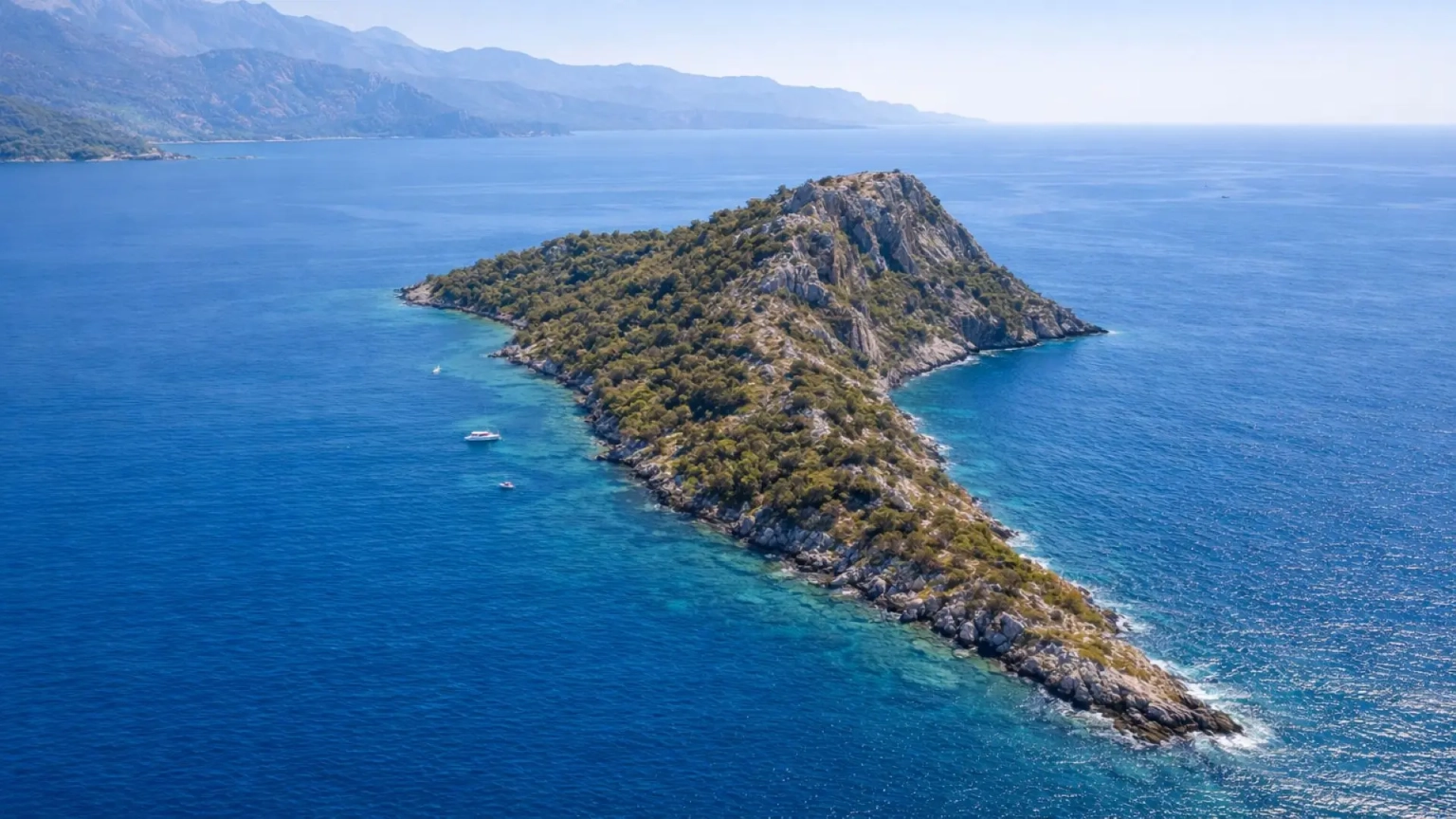
Gemiler Island, Fethiye: How to Visit St Nicholas Island
How to reach Gemiler Island by boat, what to see among the Byzantine ruins, and how to fit the island into a Fethiye day…
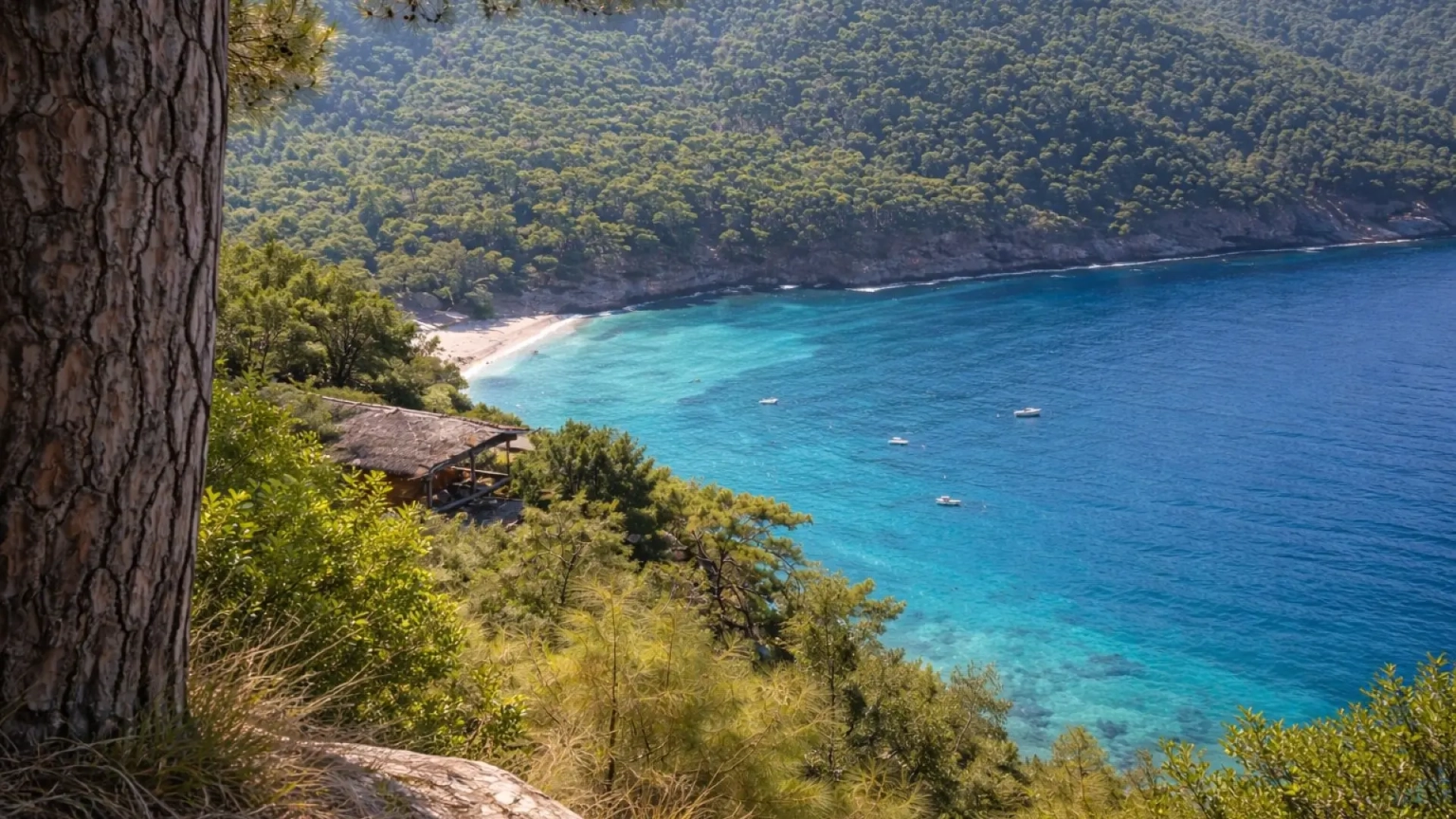
Kabak Bay, Fethiye: How to Visit Kabak Beach
Everything you need for a day at Kabak Beach or a night in the valley, including the Faralya bus, the steep descent and nearby…
