Fethiye is the kind of place that makes you feel like you’ve hacked the system. You can wake up by a working harbor, spend lunch in a lagoon so still it feels staged, and finish the afternoon in a canyon where the water is ice-cold even in summer. It’s also a rare base where “one more day” actually changes what you can do. Add a day and you’re suddenly hiking the coast, diving from a boat, or disappearing into quieter coves that day-trippers never reach.
Why Fethiye works differently than Kaş, Bodrum, or Marmaris
If you’ve been around the coast, you’ll feel the difference fast. Kaş is compact and beautiful, but it’s more “small town + diving + evenings” (and the road in/out makes you commit). Bodrum leans cosmopolitan—beach clubs, dining, marinas, and a different price rhythm. Marmaris is big, busy, and built for resort energy.
Fethiye’s edge is versatility. In one base you get the lagoon (Ölüdeniz), the island-dotted bays (Göcek area), long-distance hiking access (Lycian Way trailheads), and serious archaeology within a short drive. That variety is the difference between “nice holiday” and “stacked trip.”
Things to Do in Fethiye: Beaches, Boat Trips, Hikes and More
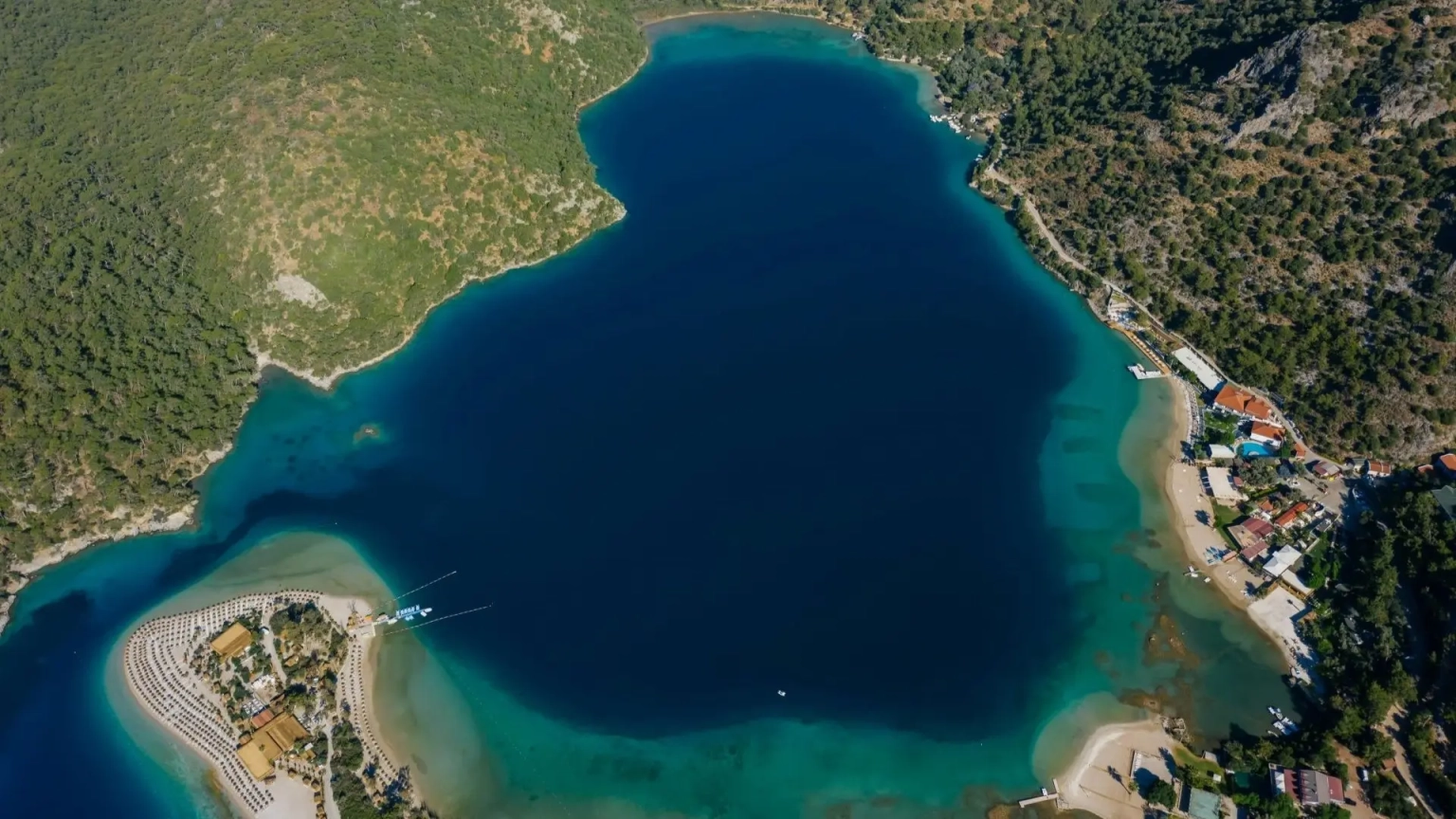
Do Ölüdeniz like a local: early, simple, and out before it peaks
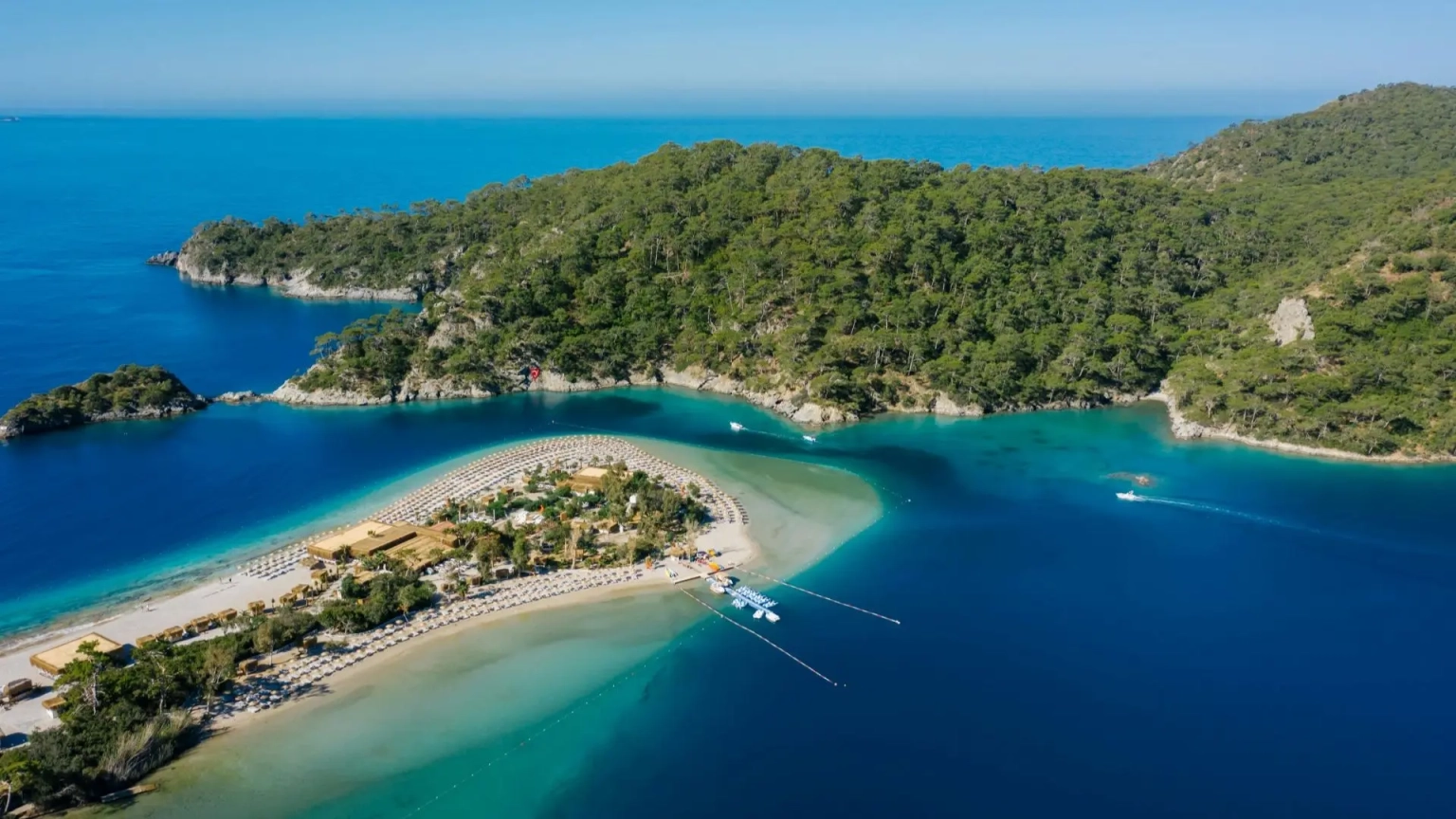
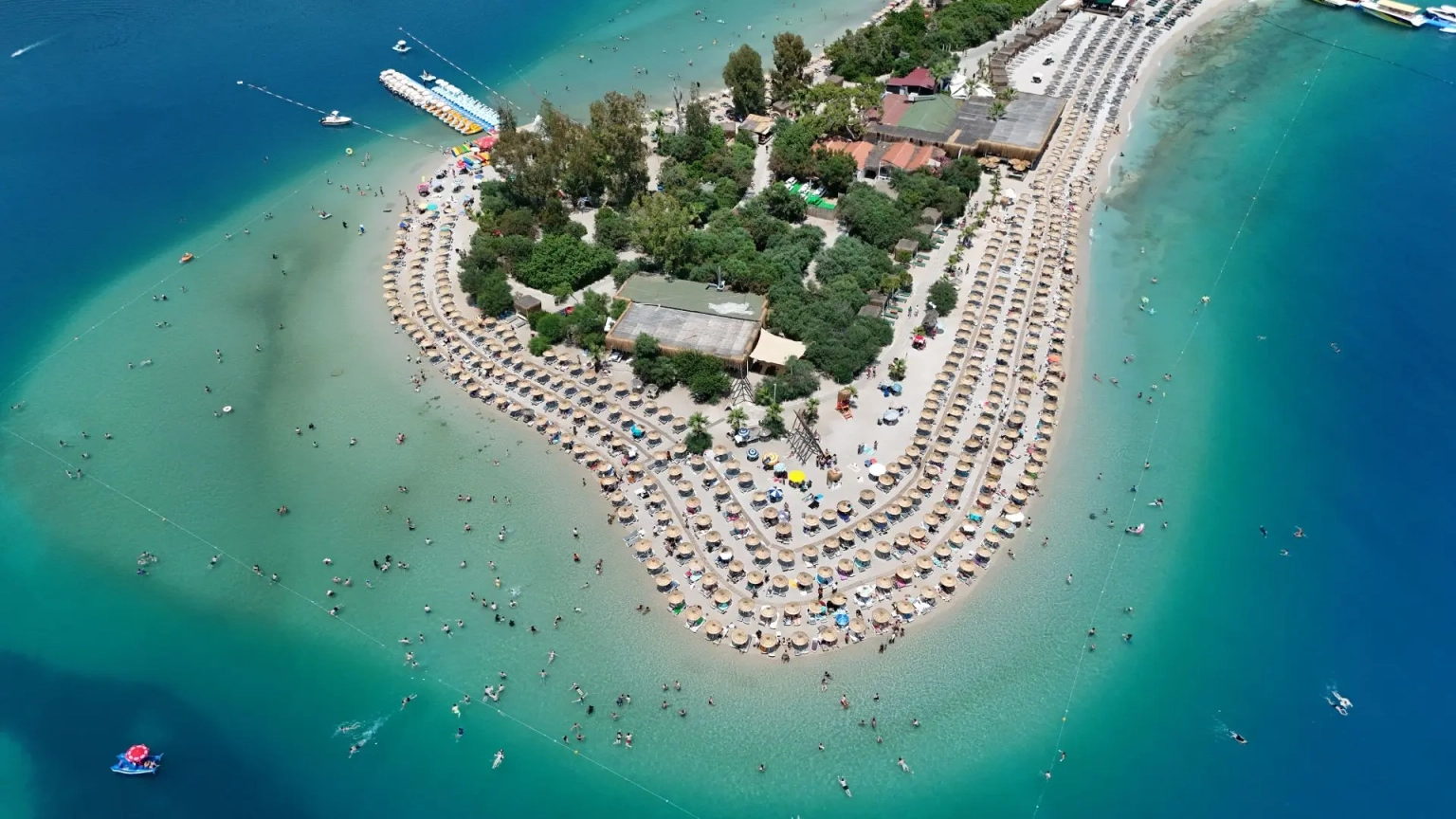
The Blue Lagoon is famous for a reason, and it still delivers—especially when you arrive early enough to hear the water instead of other people. The drive from Fethiye to Ölüdeniz is about 14 km and around 15–20 minutes in normal conditions.
Here’s the rhythm that works: arrive early, swim while it’s glassy, grab something small, then leave by late morning. Summer crowds build quickly—Lonely Planet explicitly flags that both the public beach and lagoon get heavily crowded in summer.
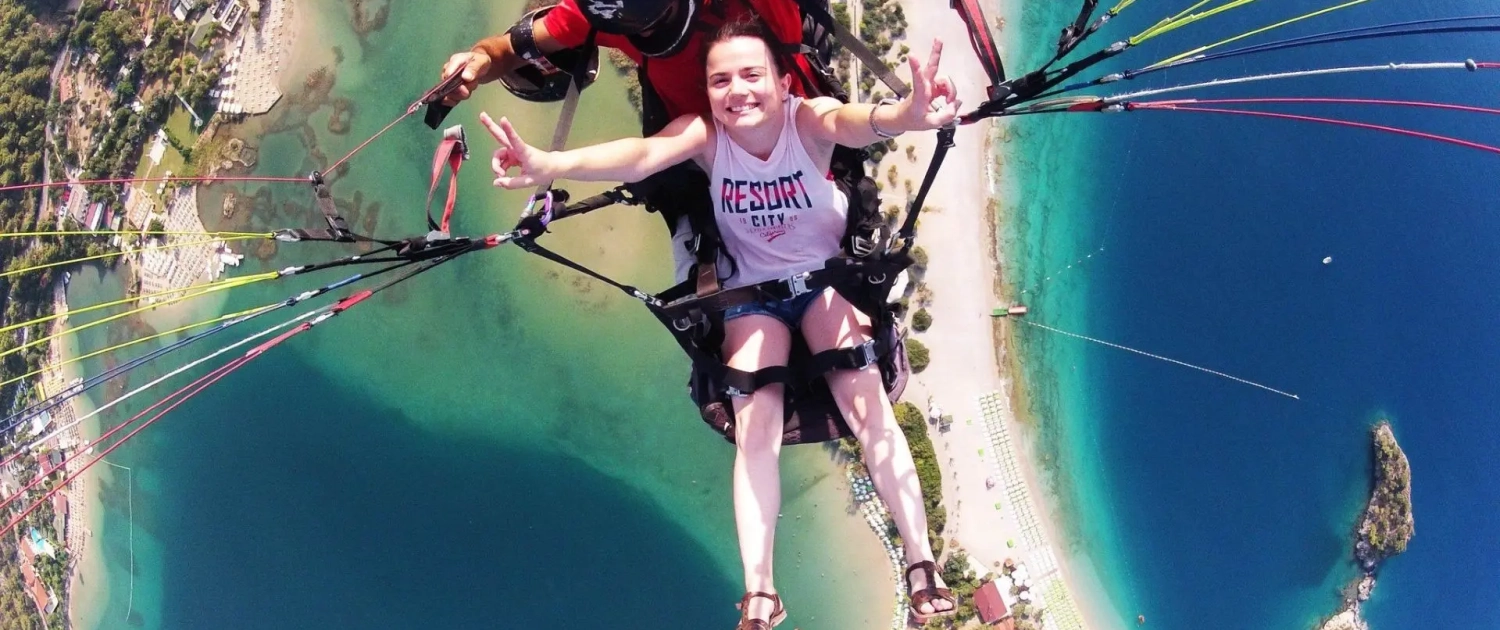
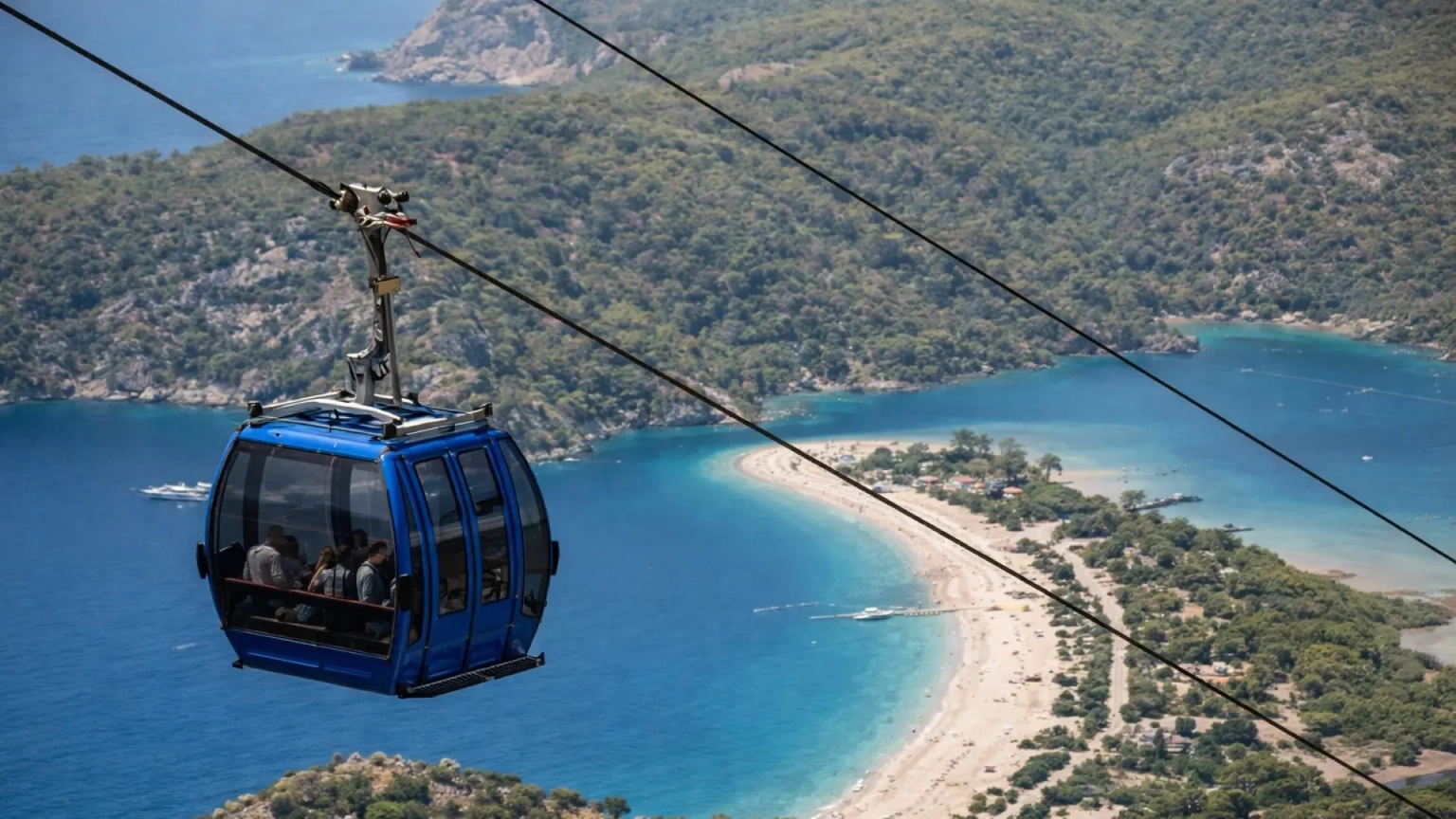
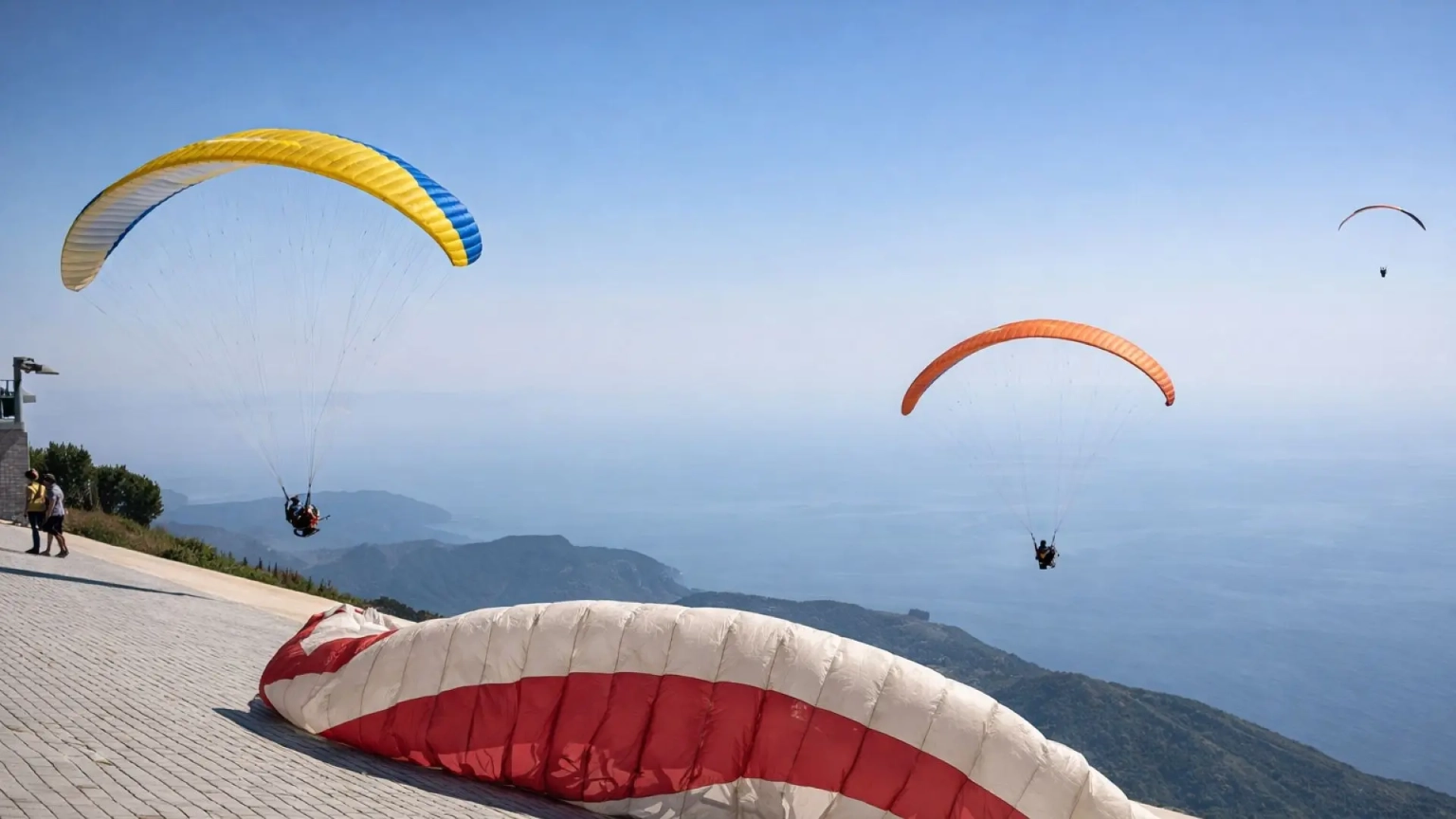
Babadağ: cable car up, air time (optional), then come down glowing
Even if you never paraglide, the cable car ride is worth it for the shift in perspective. The main station sits at 226 meters, with stations at 1200 / 1700 / 1800 and a peak stop at 1900 meters. If you do fly, the best experience is not “the longest flight” but the calmest start. Earlier slots usually mean smoother logistics and fewer delays, while later winds can complicate timing.
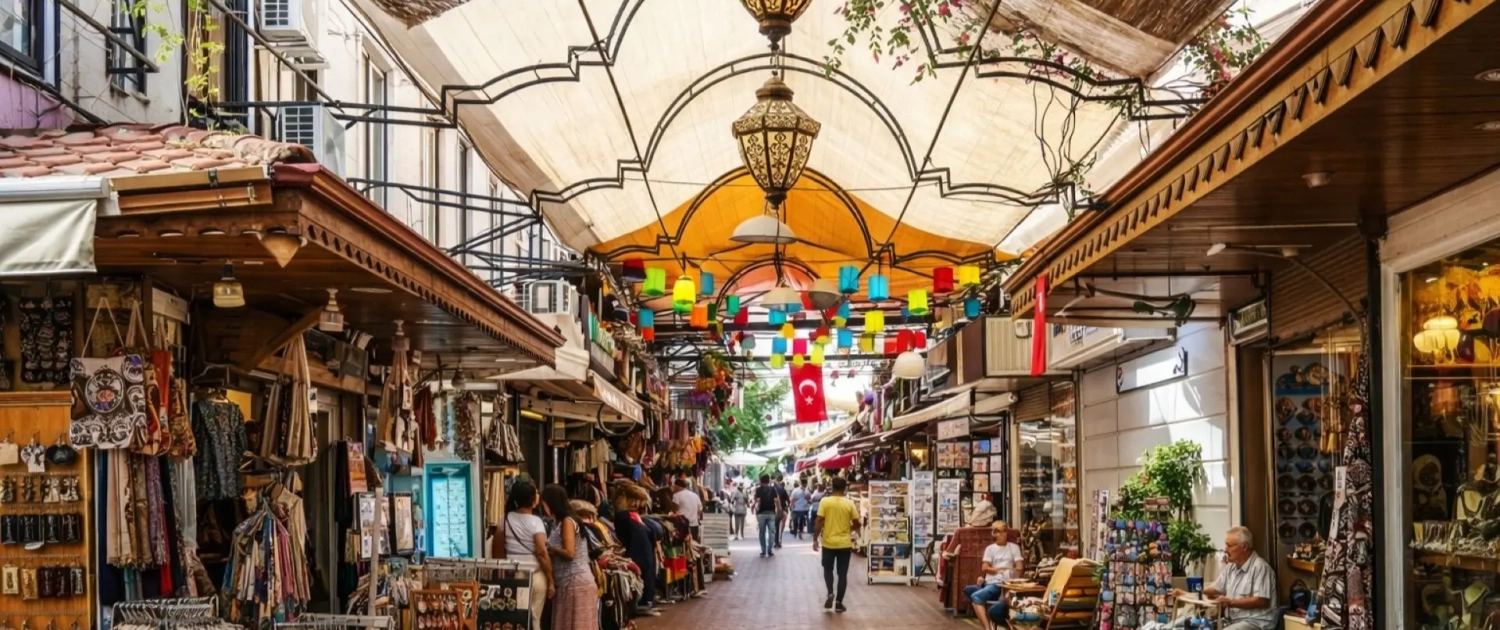
Old town nights: Paspatur and the fish market
Paspatur isn’t a “do it once” stop—it’s where your evenings naturally end up if you’re staying central. The charm is in the small lanes, the casual browsing, and how quickly you stop caring about the clock. For dinner, the fish market is one of the most classic Fethiye moves: pick what looks good, then have nearby restaurants cook it. It’s lively, slightly chaotic, and very “this is how the town eats.”
Kayaköy: the quiet that sticks with you
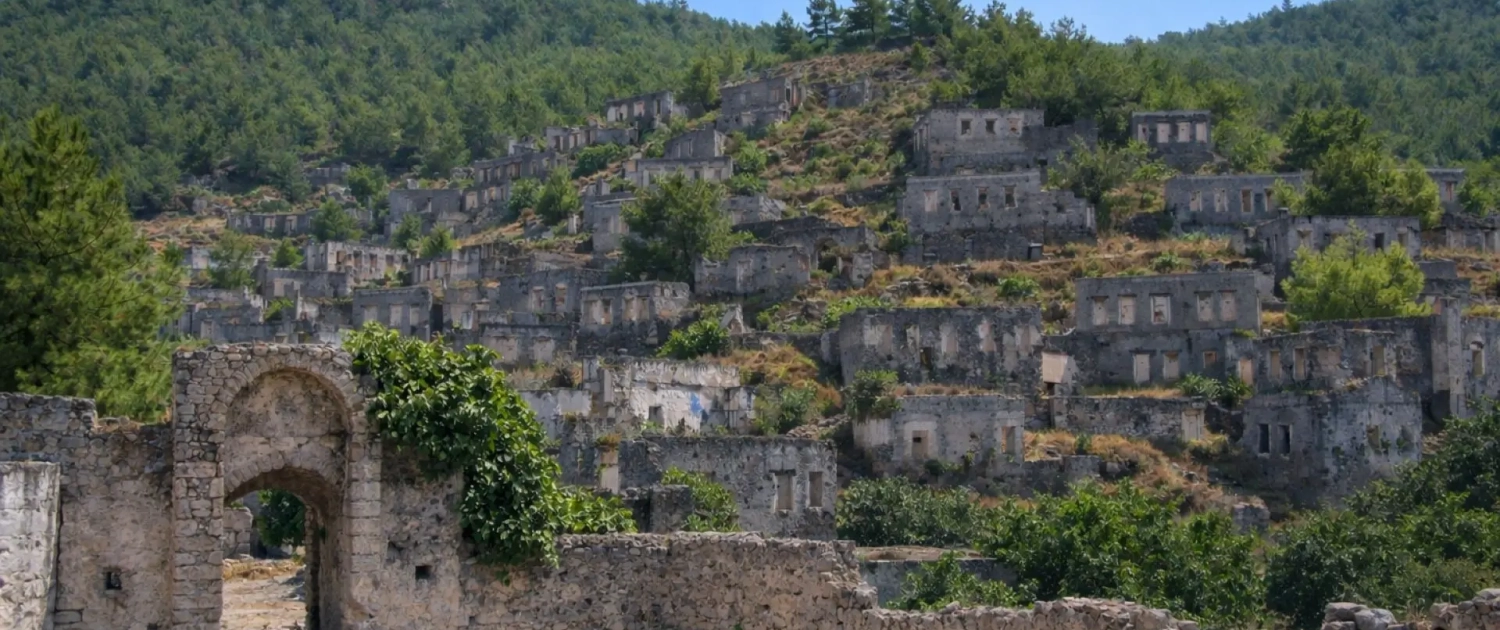
Kayaköy is only 8 km south of Fethiye, which makes it an easy half-day—yet it feels emotionally bigger than that. The Culture Portal notes its long history and later abandonment, which is exactly why the village feels suspended in time. Go late afternoon. The light gets softer, the heat drops, and you can walk without feeling rushed by daytour pacing.
Beaches and low-effort wins: Çalış for sunset, Kabak for wild-edge
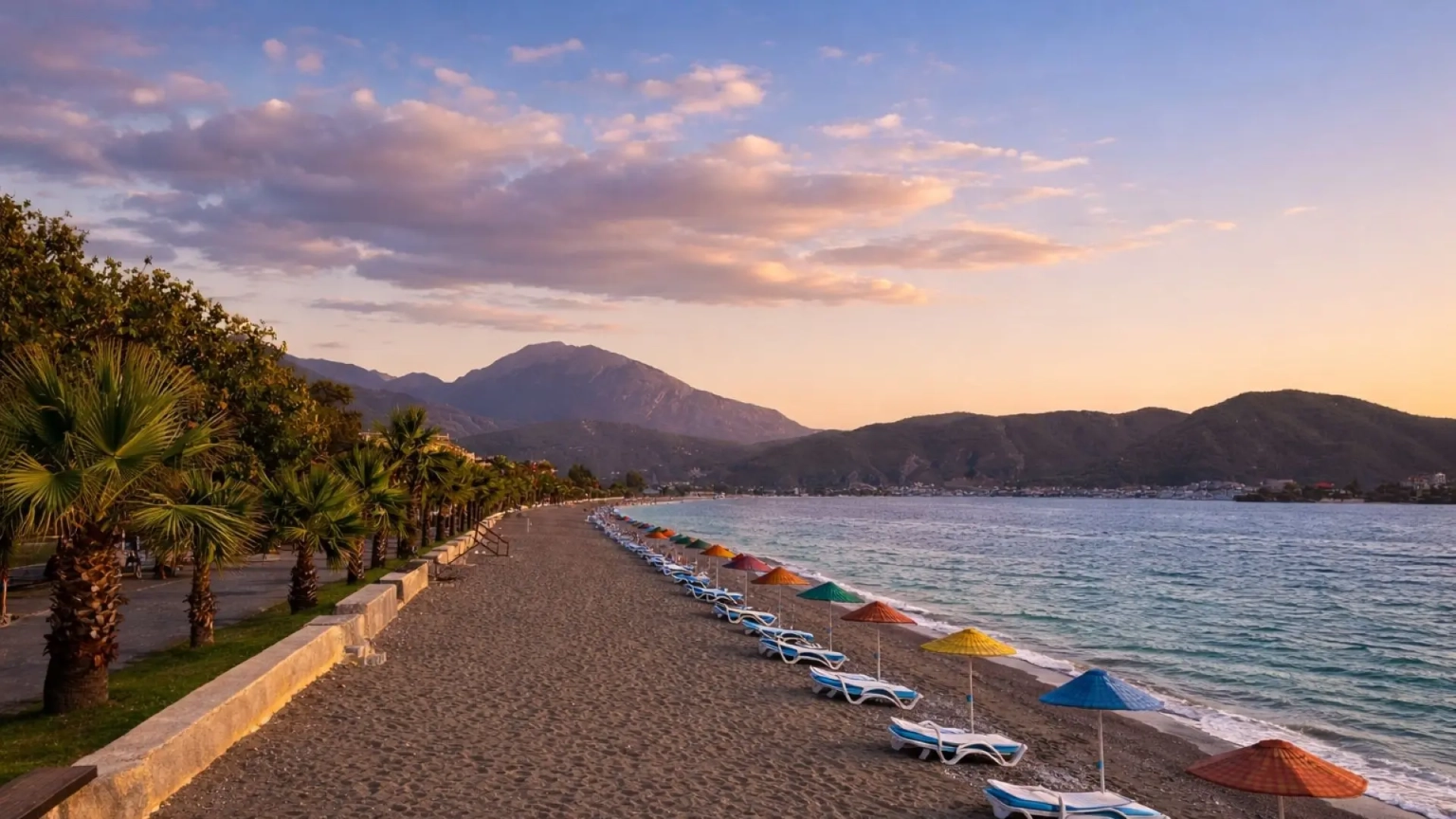
Çalış is where you go when you want the simplest “good evening” possible: walk, sit, snack, watch the sky change, repeat. It stretches nearly 4 km and faces west for consistent sunset views.
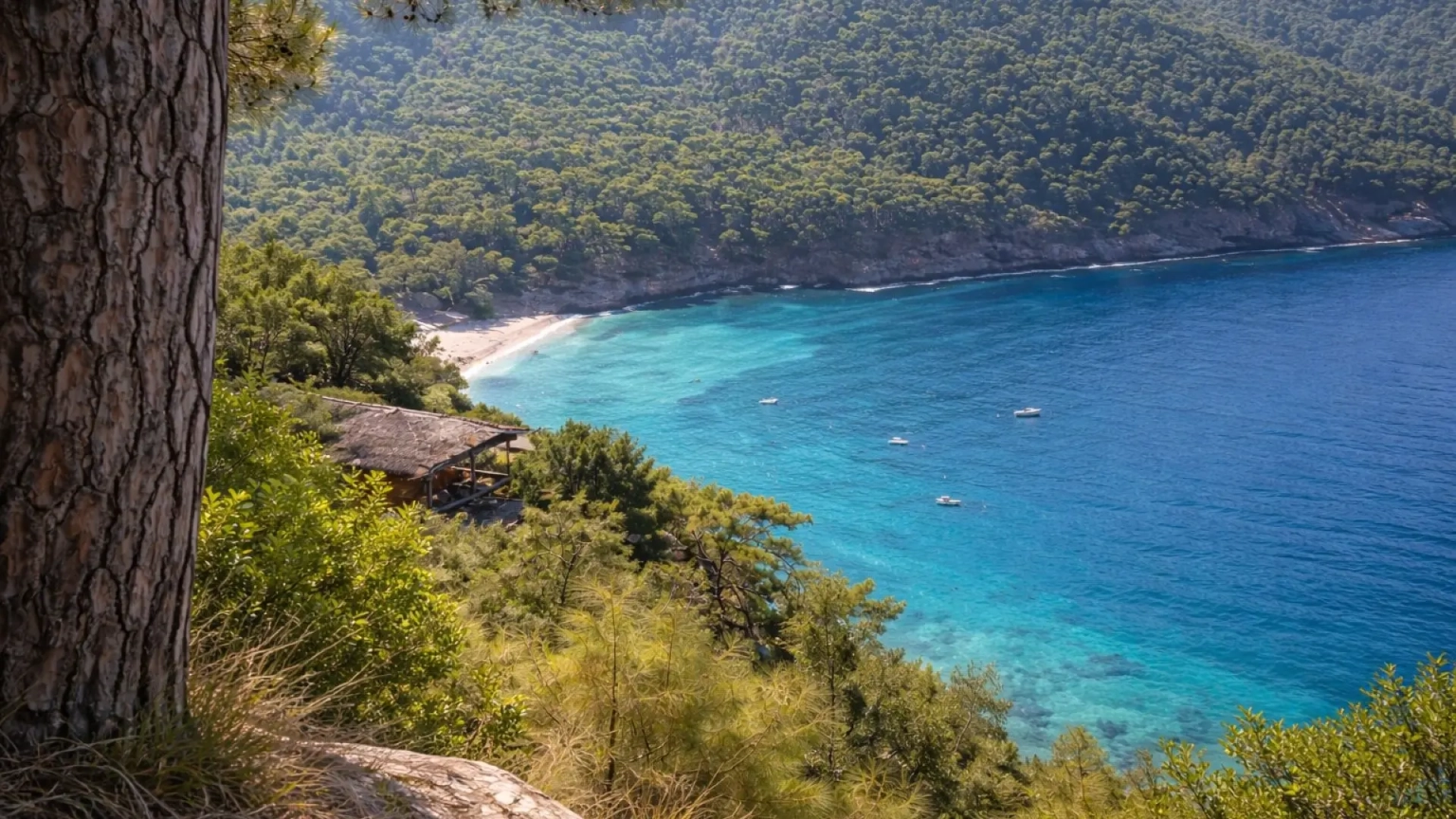
Kabak is the opposite energy. It’s more of a commitment (road + approach), but it pays you back with that “I’m somewhere different now” feeling. Expect roughly ~40 minutes driving time from central Fethiye depending on traffic and road conditions.
Boat days: the fastest way to stack highlights in one trip
A good boat day in Fethiye doesn’t feel like one activity. It feels like five: swimming, sunning, snorkeling, island-hopping, and seeing the coastline from the angle that actually makes it make sense.
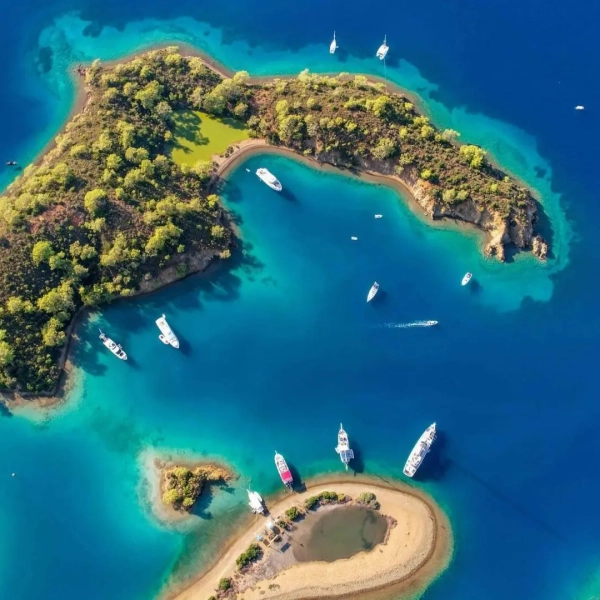
The 12 Islands-style routes are popular because they stay in sheltered bays and mix small islands with easy swim stops. Common named stops include Yassıca Islands, Tersane Island, and Kızılada, though routes shift with conditions.
Butterfly Valley and Gemiler Island: iconic, but time them well
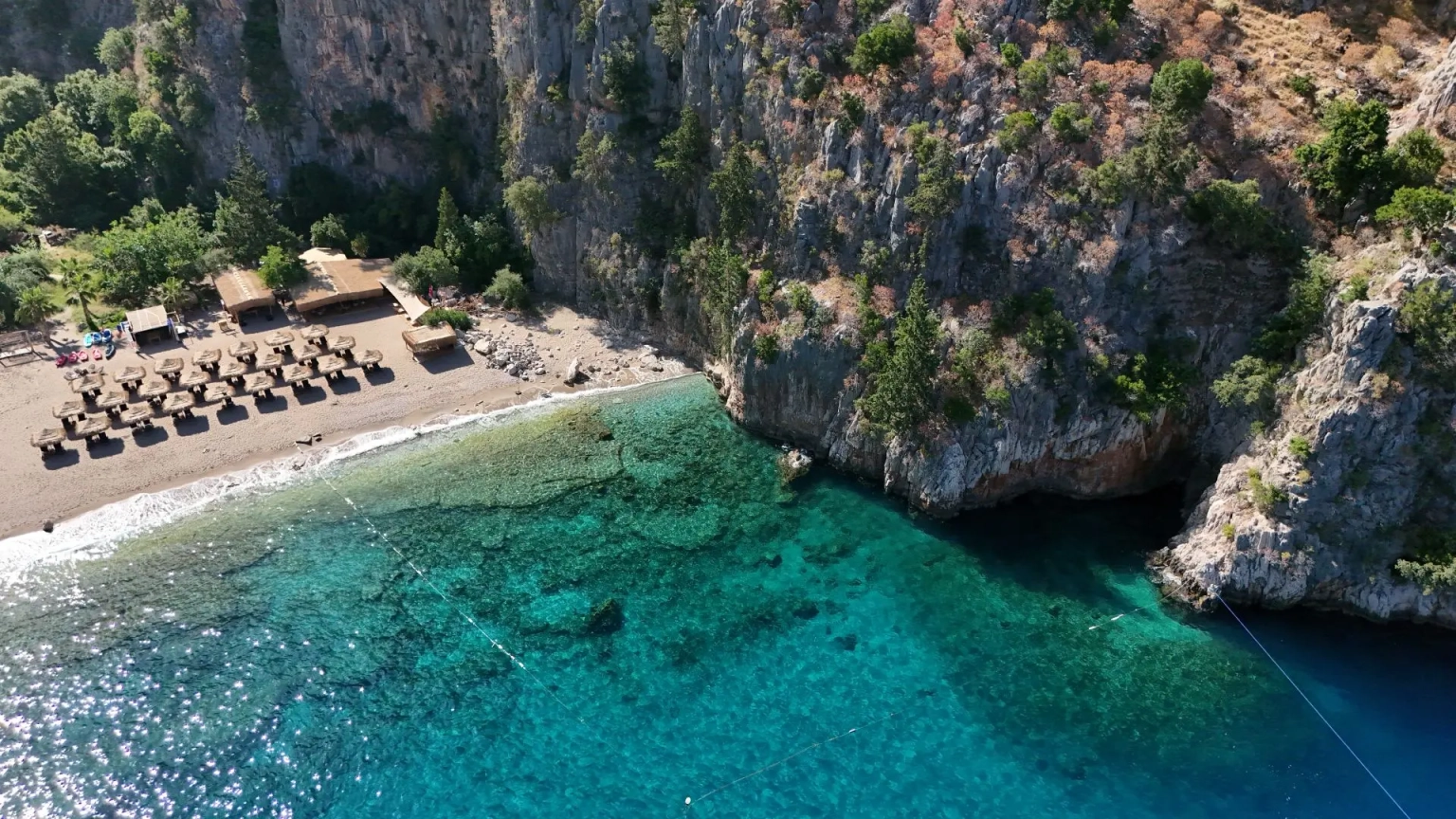
Butterfly Valley is dramatic and protected—GoTürkiye describes it as a nature reserve accessible only by boat or a challenging footpath. That access limitation is exactly what keeps it feeling special.
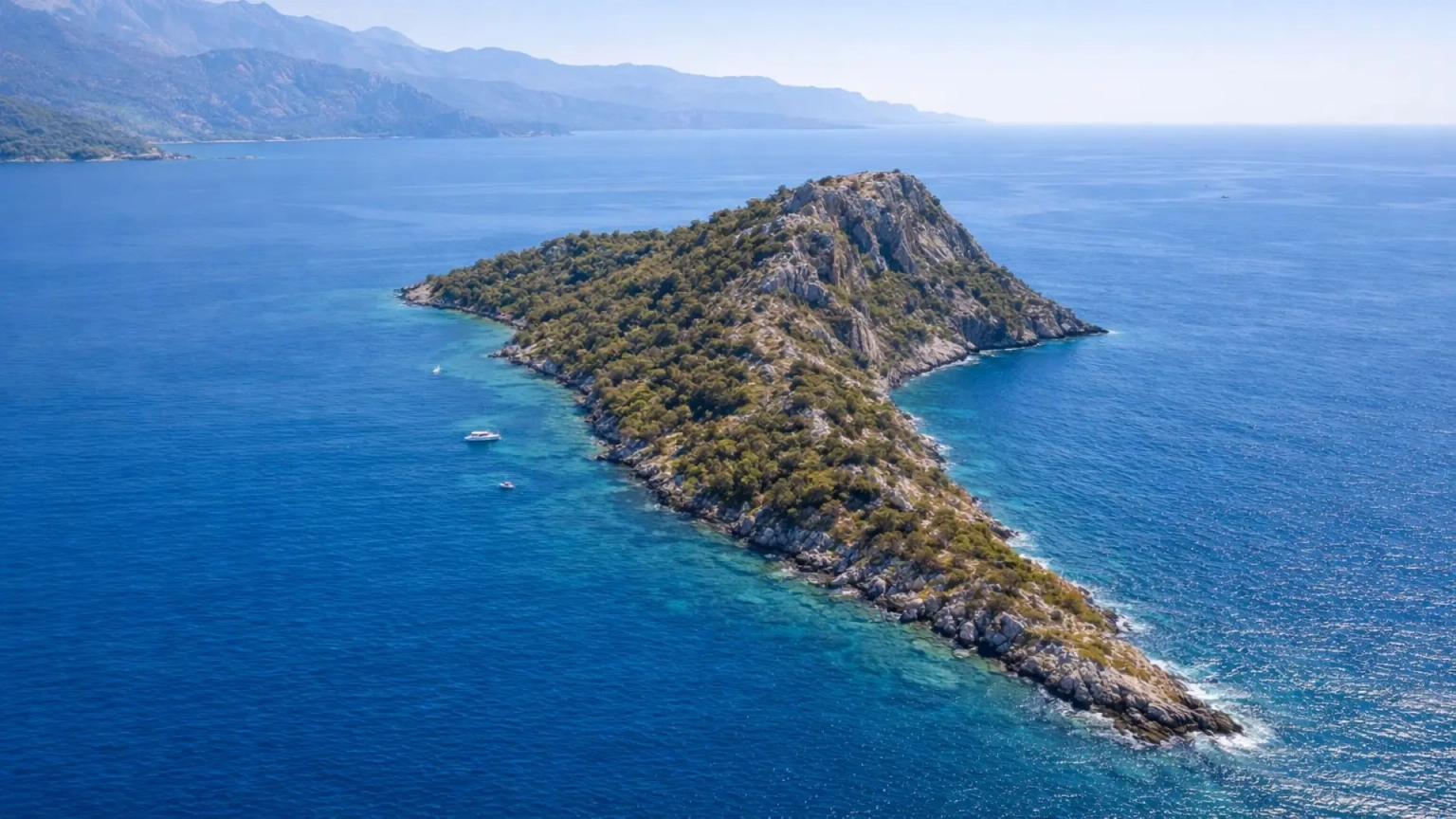
Gemiler Island adds a completely different layer: swim first, then walk up through ruins. The official museum directorate notes its importance from the 5th century AD, and that research identified 11 churches in the island area. That’s why it feels less like “a swim stop” and more like “a place.”
Romance angle: sunset private boat, done simply
If you want one “special memory” without overplanning, do a sunset private boat. Keep it minimal: one quiet bay, a slow loop back, and enough time for the sky to turn from gold to violet.
The coast around Fethiye is built for this because you can combine multiple viewpoints in one outing— marina lights behind you, open sea ahead, and swim stops if the water is warm.
Why multi-day gulet cruises reach quieter coves than day boats
Day boats run on fixed loops: depart late morning, hit the same anchor points, return before dinner. It’s fun, but the “quiet cove” concept gets diluted because everyone arrives at the same time.
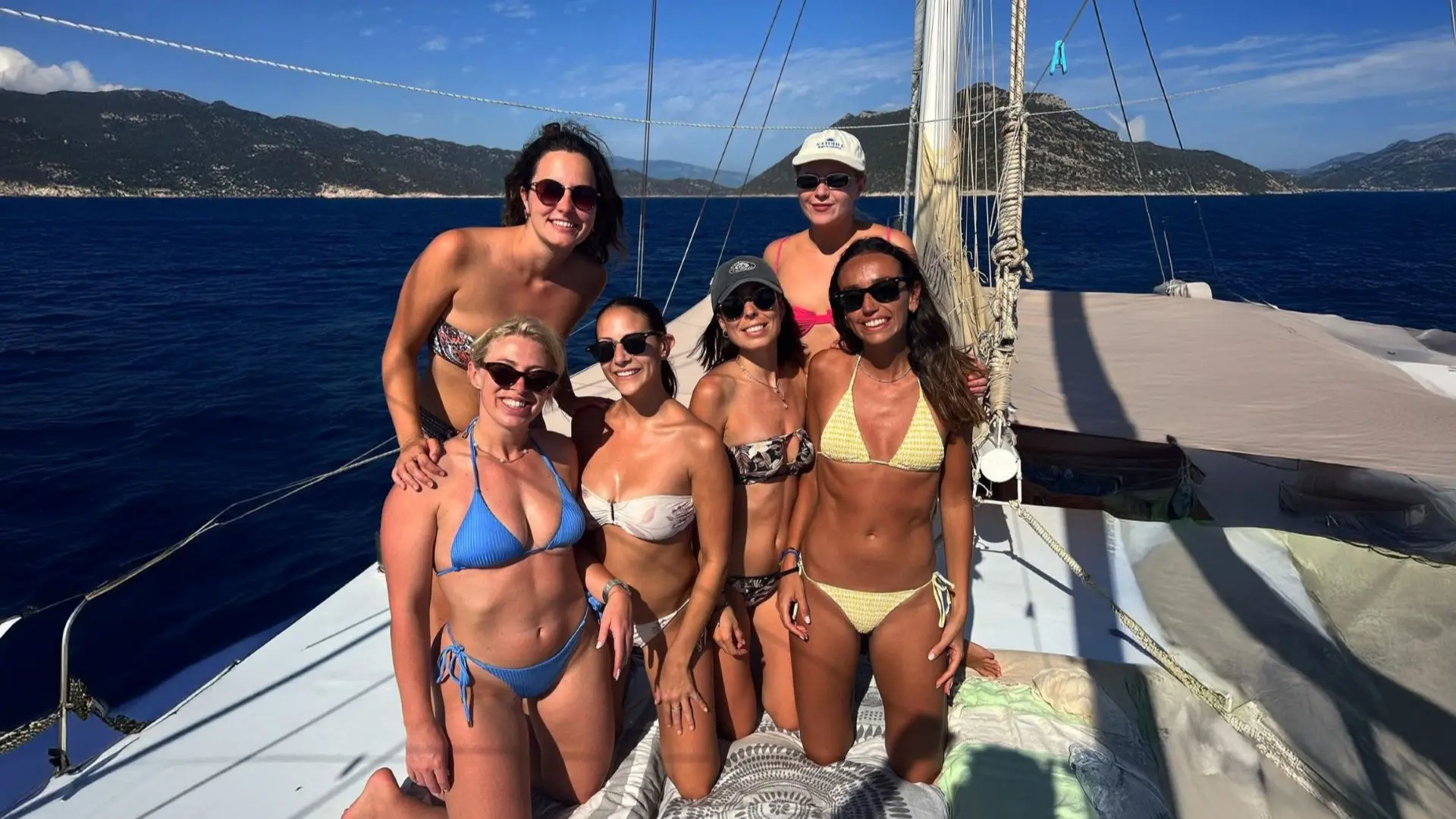
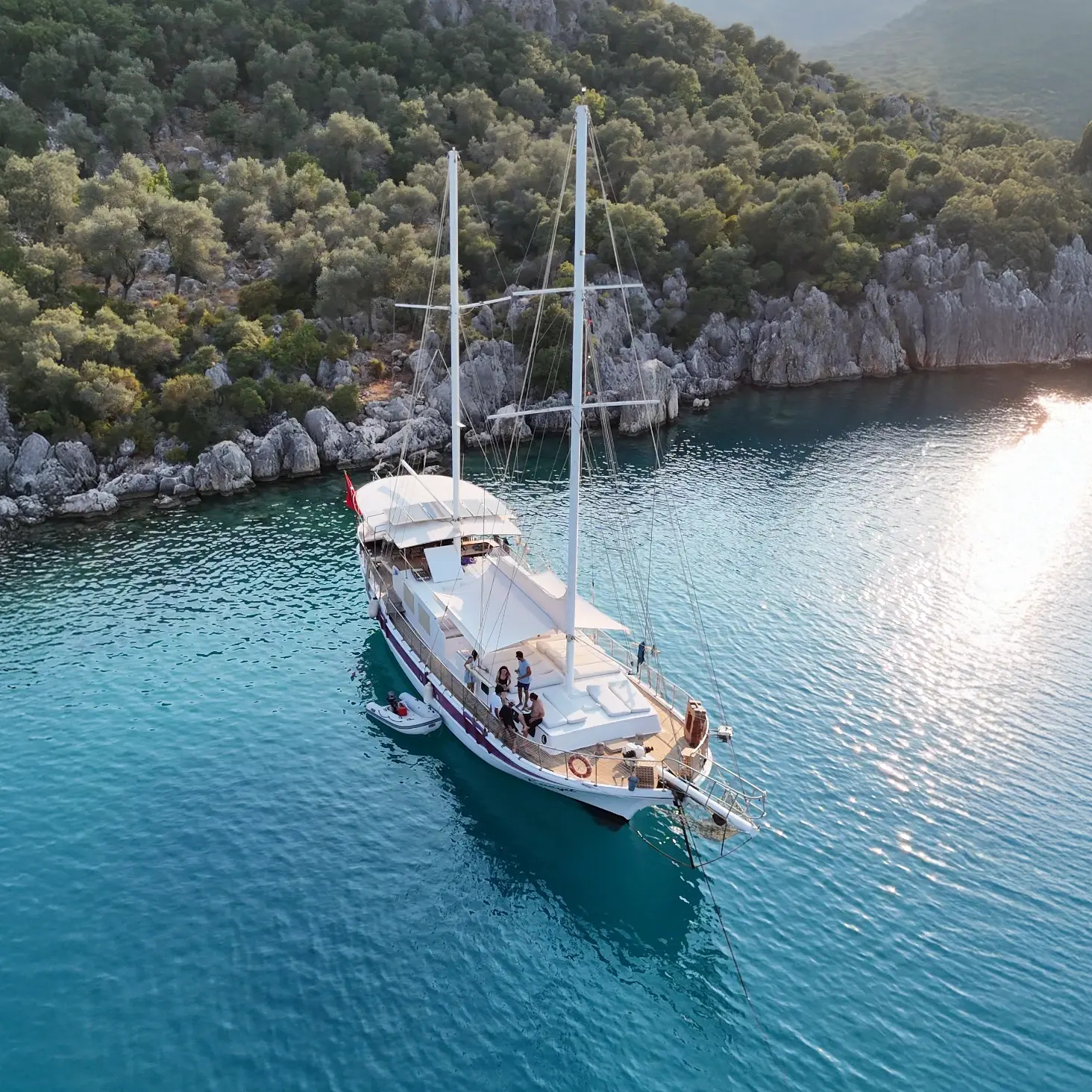
A multi-day gulet cruise changes the timing, which changes everything. You can anchor earlier, linger longer, and slip into smaller bays between “named stops.” Many Blue Cruise descriptions emphasize access to remote coves and places that are difficult to reach by land—this is the real upgrade, not just sleeping on the water.
On premium private gulet charters, the difference is even clearer: a crewed boat lets your days follow weather, light, and mood instead of a timetable. That’s why weekly blue cruises can feel quieter than a week of day tours, even in peak season.
Adventure add-ons: diving and rafting that actually fit a Fethiye trip
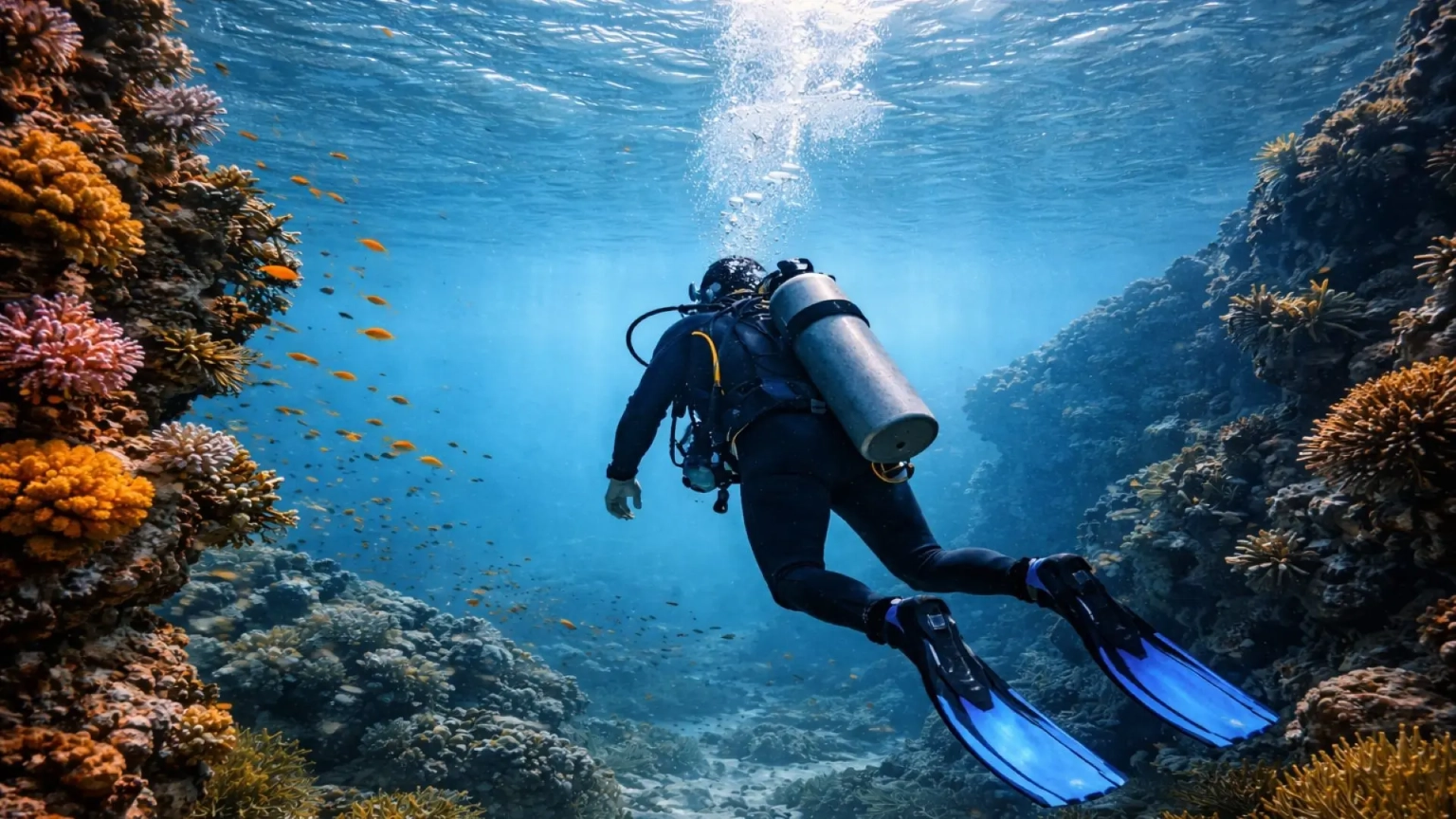
For diving, Fethiye is especially friendly for first-timers because many experiences are run as boat days with guidance and calm-water sites. Multiple sources describe May–October as prime season with warm water and strong visibility, often up to about 30 meters in season.
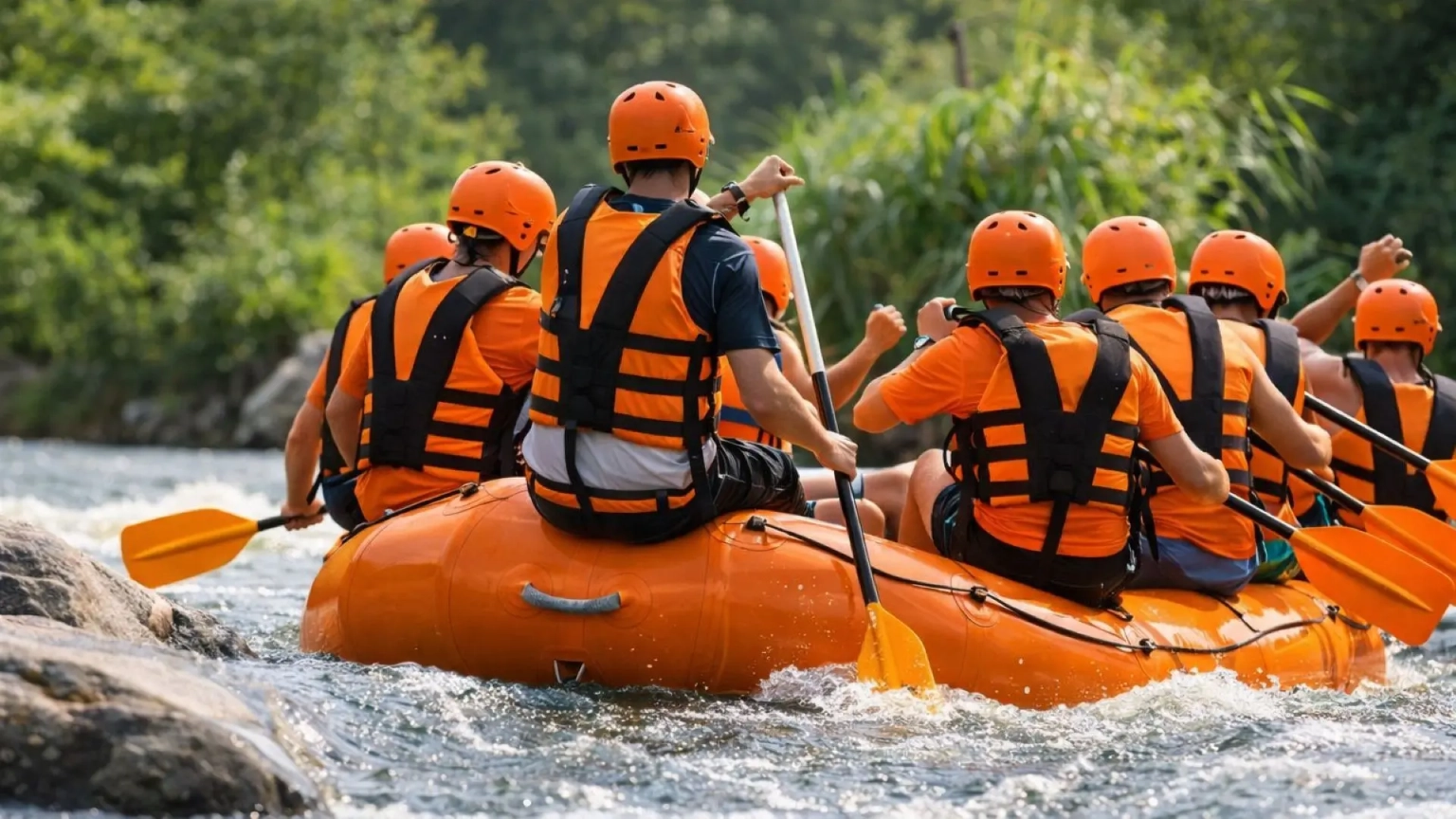
For rafting, the stand-out pairing is Saklıkent + Eşen River. The national-park documentation describes the canyon’s dramatic scale (about 18 km long with ~200 m height in places) and its protected status. The provincial tourism directorate then makes the activity link explicit: rafting from the Saklıkent area on the Eşen River, and canoe touring routes that can run down toward Patara.
Day trips that are worth the drive
A good day trip from Fethiye should feel like a different landscape, not just a longer beach.
Saklıkent National Park is an easy winner: driving distance is often around 44 km and under an hour from Fethiye in normal conditions. Pair it with Tlos for ruins + canyon in one loop.
Patara is another strong option: about 63 km and roughly ~1 hour 10 minutes by car is a common estimate. Add Letoon if you want a culture-heavy version of the day.
Where to stay by vibe
If you want everything within walking distance, staying in central Fethiye around the marina and town center makes the most sense. You’ll be close to restaurants, weekly markets, boat departures, and you’ll have the flexibility to decide your evenings as you go. It’s the most practical base if you like variety without relying too much on transport.
Çalış suits those who prioritize sunsets, long flat seaside walks, and a slower rhythm. If lagoon time and easy access to Babadağ or paragliding logistics are your main focus, the Ölüdeniz, Ovacık, and Hisarönü zone works better. For a quieter, more nature-driven stay built around hiking and scenery rather than nightlife, the Faralya and Kabak side offers a more secluded atmosphere.
Sample Itineraries
One day in Fethiye
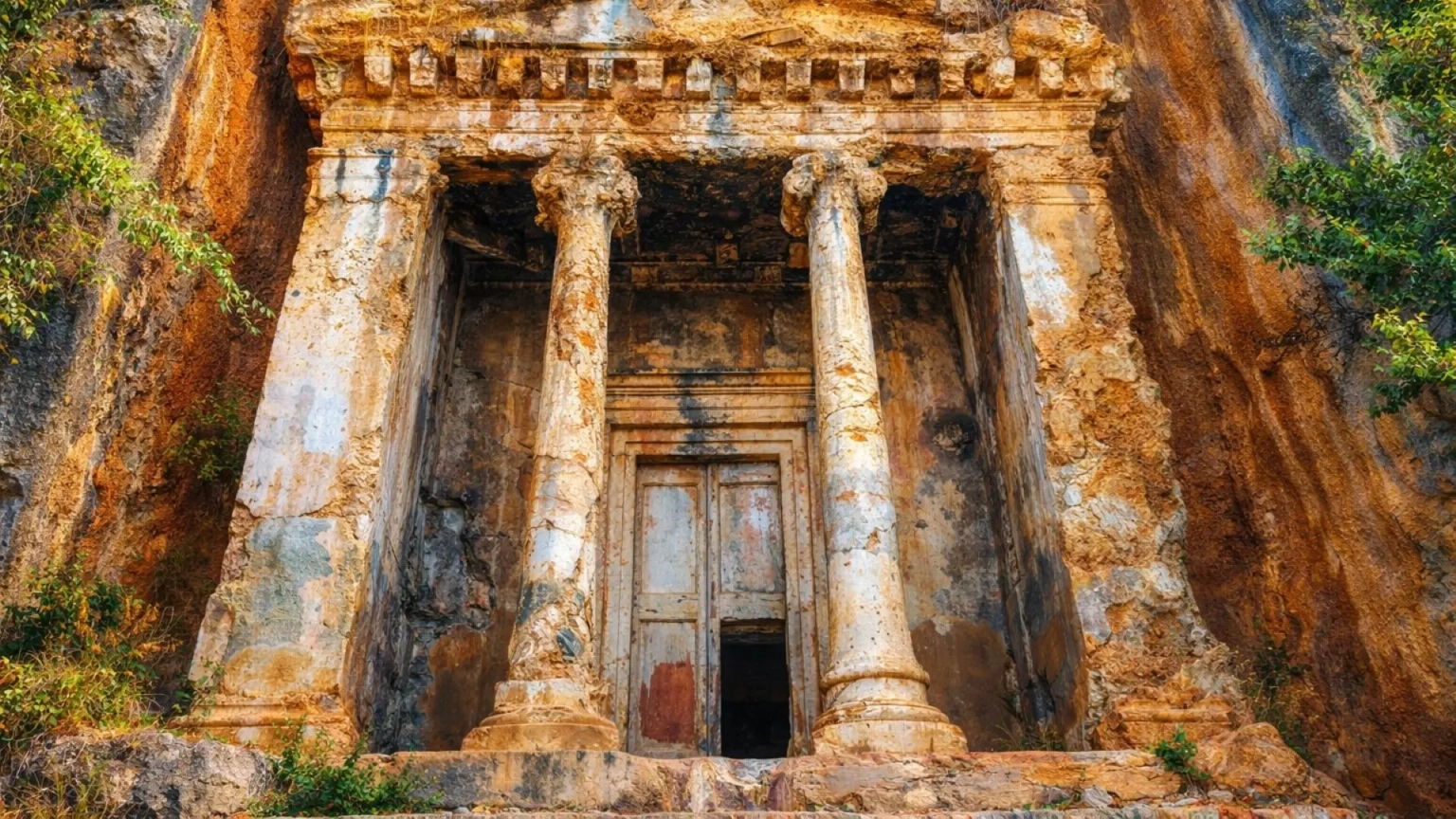
In the morning, head to Ölüdeniz early and swim in the lagoon while the water is calm, then leave before the peak crowds arrive. Around midday, take the cable car up Babadağ for panoramic views, watching the paragliders drift overhead. In the afternoon, walk up to the Amyntas rock tomb viewpoint for sweeping views over the city. In the evening, wander through the lanes of Paspatur and enjoy dinner at the fish market.
Three days in Fethiye
On day one, start your morning in Ölüdeniz, then head up to Babadağ in the afternoon, and finish the day with sunset at Çalış Beach. On day two, spend the day on a 12 Islands boat trip, following a classic route that includes stops like Yassıca Islands, Tersane Island, and Kızılada. On day three, visit Kayaköy in the late afternoon, then continue to Paspatur in the evening; if your dates align, add the Tuesday market to your plans.
One week in Fethiye
Start your week by settling in with an easy stroll through Paspatur and along the harbor, letting the rhythm of the town set the tone. The next day, split your time between Ölüdeniz and Babadağ—swim in the lagoon, then head up the mountain by cable car or take the leap and paraglide if you want the full experience. Keep the momentum going with a dedicated diving day, whether it’s your first introductory dive or a certified excursion to deeper sites.
Later in the week, cool off in Saklıkent Gorge and pair it with rafting along the Eşen River corridor for a more active day. Balance culture and coastline with a visit to Patara and Letoon, combining ancient ruins with a wide sandy beach. For a softer pace, choose between a classic 12 Islands boat trip or a private sunset cruise. To truly disconnect, wrap up the week with a multi-day gulet cruise—or build your itinerary around it—to reach quieter coves far beyond the usual day-boat circuit.
Practical Tips
Where to base yourself
If you want boat trips, markets, and flexible dining, stay central. If your priority is lagoon time and Babadağ logistics, base closer to Ölüdeniz. For a slower, sunset-first daily rhythm, Çalış is the easiest base.
Transport
For the airport, MUTTAŞ publishes route details including the Fethiye Otogar–Dalaman Airport line, listing route distance as 55 km and showing updated departure times and stops. The Dalaman Airport website notes MUTTAŞ operates coach services between the airport and Fethiye on a seasonal basis. Between Fethiye and Ölüdeniz, dolmuş schedules can be frequent in summer according to local transport guides.
What to pack
Water shoes are genuinely useful for Saklıkent because you’ll be in and around cold flowing water, and footing can be slippery. For the lagoon and boat days: a dry bag, reef-safe sunscreen, and a light long-sleeve for the boat breeze.
Seasonal differences
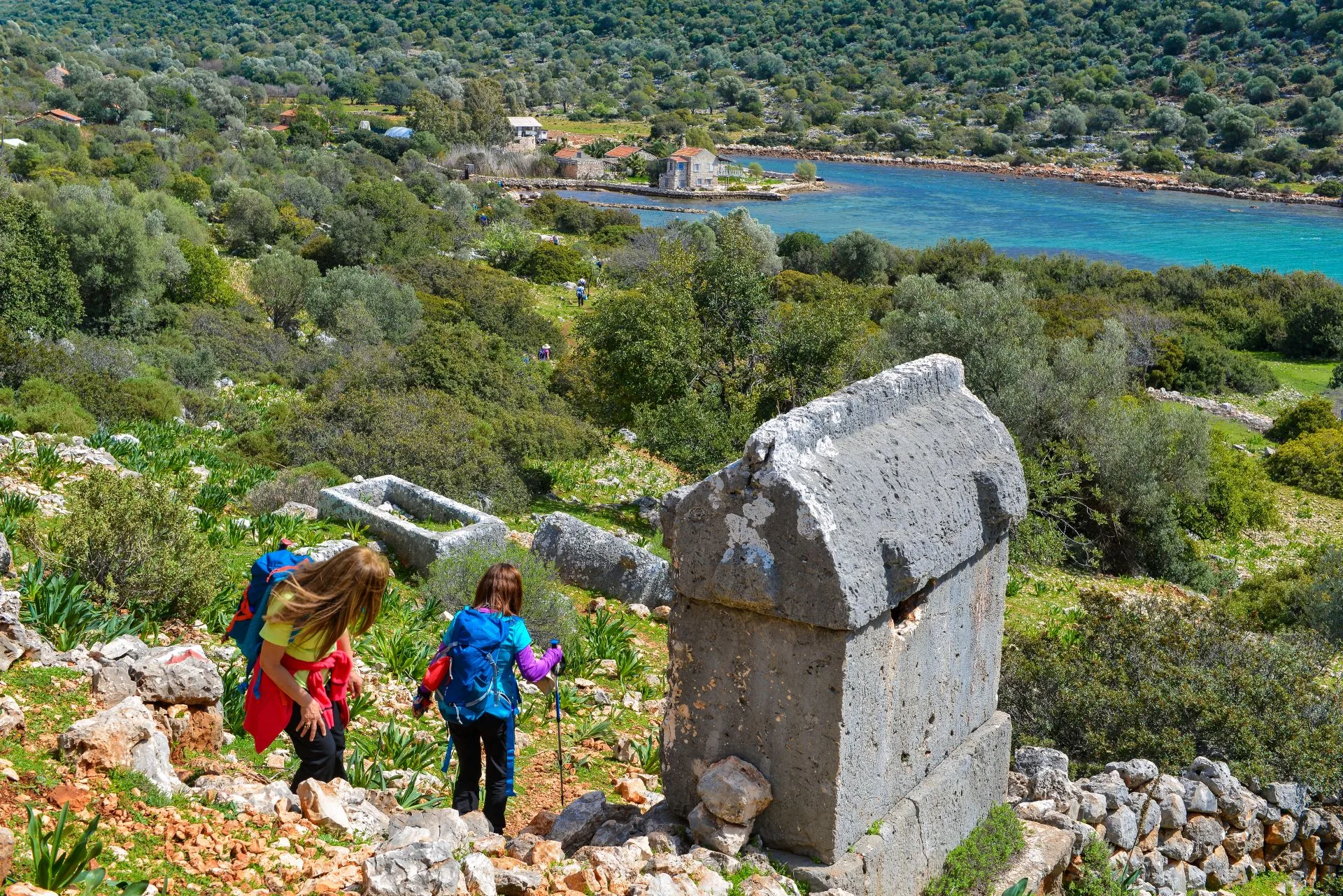
Spring and early autumn are the “sweet spot” for hiking sections of the Lycian Way—many guide sources recommend avoiding peak summer heat for longer walks. Diving is most commonly framed as best from May to October due to water temperature and visibility.
Safety tips
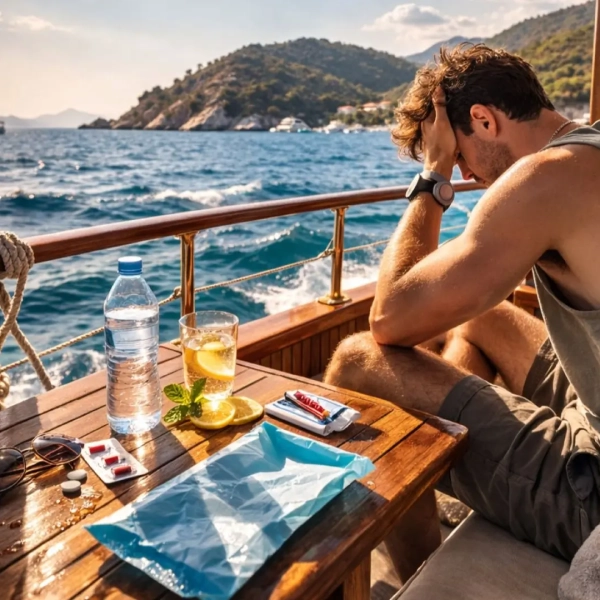
For paragliding: wear proper shoes and keep plans flexible—wind and visibility drive the schedule. For diving: choose operators aligned with recognized training standards like PADI , and don’t fly same-day after diving (standard dive safety practice). For rafting: listen to guides, take helmets/gear seriously, and expect cold water even in warm months around Saklıkent. For heat: plan your day like locals do—sun early, shade midday, move again late afternoon.
Frequently Asked Questions (FAQ)
Is Fethiye good without a car?
Yes. Dolmuş minibuses and local buses cover key corridors, especially the Fethiye–Ölüdeniz line, with frequent service patterns in summer.
How far is Ölüdeniz from Fethiye?
Driving distance is commonly listed around 14 km, roughly ~15–20 minutes in normal conditions.
What’s the best month for paragliding in Ölüdeniz?
Conditions vary, but specialized paragliding travel guidance highlights May, June, and October as strong months in the Babadağ area for flying.
Can beginners scuba dive in Fethiye?
Yes. Many providers run discover/intro days, and multiple sources describe the May–October season as warm with high visibility in the region.
Is Butterfly Valley only accessible by boat?
Note that the valley is accessible only by boat or a challenging footpath, and it’s designated as a nature reserve.
What are the typical stops on a 12 Islands boat trip?
Routes vary, but stops like Yassıca Islands, Tersane Island, and Kızılada commonly appear in route descriptions.
Can you raft near Saklıkent?
Yes. The Muğla provincial tourism directorate explicitly notes rafting from the Saklıkent area on the Eşen River and mentions organized canoe trips toward Patara.
Is the Fethiye Museum open?
The official museum directorate page states Fethiye Museum is closed until required work is completed following an earthquake risk analysis.




 TripAdvisor Listings