Loggerhead Sea Turtles in Demre.
Explore Demre’s Caretta caretta sea turtles, including their biology, nesting season, life cycle, migration, nesting beaches, threats from tourism, plastic pollution and climate change, local conservation efforts, volunteer work and responsible ecotourism guidelines for observing turtles safely.

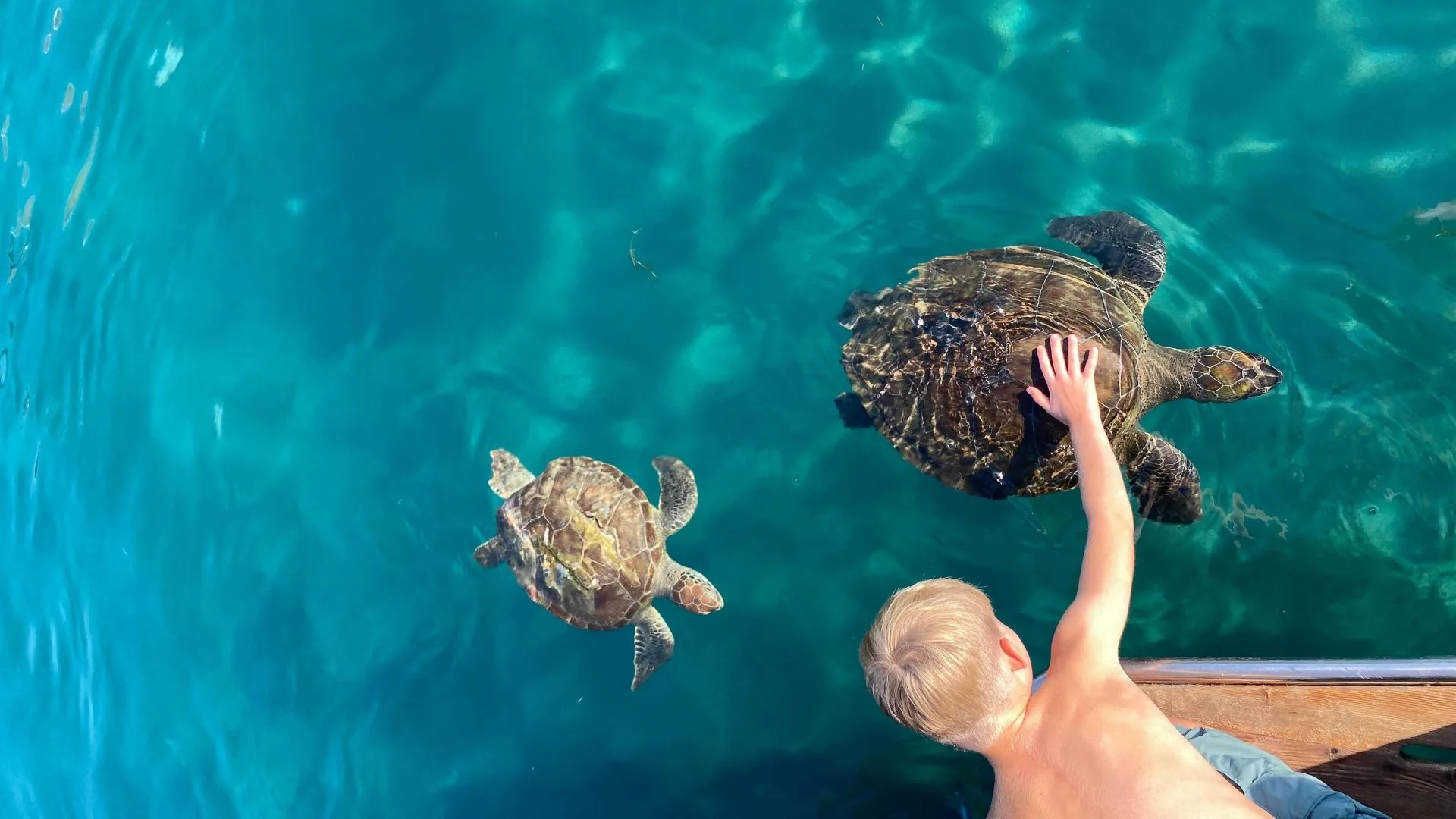
The loggerhead sea turtles, Caretta caretta, are the ancient mariners of the Mediterranean. Every summer, they silently return to the golden beaches of Demre to begin a new cycle of life. After travelling thousands of kilometres, adult females come back to the same shores where they once hatched.
Their journey is one of nature’s most remarkable stories: migration, nesting, survival, instinct and return. But it is also a fragile story. Tourism, artificial lighting, plastic pollution, climate change and coastal development all affect the future of these turtles.
This guide explores the biology of Caretta caretta, the nesting beaches of Demre, the challenges turtles face, local conservation work and the rules every responsible visitor should follow.
Caretta caretta at a glance
Loggerhead sea turtles are long-lived, wide-ranging marine reptiles with powerful jaws, strong navigation ability and a life cycle that connects open ocean, coastal feeding areas and the exact beaches where they were born.
Loggerhead sea turtle
Caretta caretta is one of the world’s largest hard-shelled sea turtle species.
70–95 cm adults
Adult loggerheads usually measure around 70–95 cm, with some individuals becoming much larger.
80–200 kg
Many adults weigh between 80 and 200 kg, while exceptional individuals can exceed 500 kg.
70+ years
These turtles can live for decades and may return to their birth beach after many years at sea.
12–30 years
Loggerheads reach sexual maturity slowly, making adult survival extremely important for the population.
Every 2–3 years
Females often return to reproduce every few years, creating multiple nests in a single season.
Biology and life cycle of Caretta caretta
The life cycle of Caretta caretta is a journey between land and sea. Adult males and females migrate from feeding areas to breeding waters close to nesting beaches. Mating usually occurs in shallow coastal waters before females come ashore at night.
A nesting female digs a chamber in the sand, usually around 40–60 cm deep, and lays roughly 100 eggs. A single female may create three or four nests during one breeding season, laying several hundred eggs in total.
The eggs incubate for around two months. During this period, sand temperature plays a vital role in determining the sex of hatchlings. Cooler sand produces more males, while warmer sand produces more females. Temperatures above roughly 30°C tend to produce mostly female hatchlings, while below around 27°C tends to produce mostly males.
Extreme temperatures can be deadly. If the sand becomes too cold or too hot, embryo development may fail. This makes climate change a serious concern for loggerhead populations, because warmer beaches can alter sex ratios and reduce hatching success.
Night nesting
Females come ashore at night, choose a quiet place in the sand and dig a nest with their rear flippers.
Egg incubation
Eggs remain buried for about two months, protected by sand but vulnerable to heat, flooding and predators.
Hatchling emergence
Tiny hatchlings emerge at night or twilight and instinctively move toward the brightest natural horizon over the sea.
The first dangerous crawl
Birds, crabs, ants, lights, holes and obstacles can prevent hatchlings from reaching the water safely.
The lost years
Young turtles spend their early years in the open ocean, drifting with currents and hiding in floating seaweed zones.
Return migration
Adult females can later navigate back across huge distances to the beach where they once hatched.
The odds are incredibly low
Once hatchlings reach the sea, survival is still not guaranteed. Fish and other marine predators await them, and scientists estimate that only one in several hundred, or even one in several thousand, survives to adulthood. This means that from hundreds of eggs laid by a female, perhaps only one turtle will return decades later to continue the cycle.
This low survival rate explains why the loggerhead sea turtle is considered a vulnerable species. Every protected nest, every hatchling that safely reaches the water and every adult female that returns to nest matters.
Nesting areas in and around Demre
Turkey is one of the most important sea turtle nesting regions in the Mediterranean. Along the Turkish Mediterranean coast, 22 nesting beaches have been identified, including famous sites such as Dalyan İztuzu, Patara and Çıralı. Demre, in Antalya Province, is one of these important nesting areas.
Approximately 9.2 km of officially recognized nesting habitat
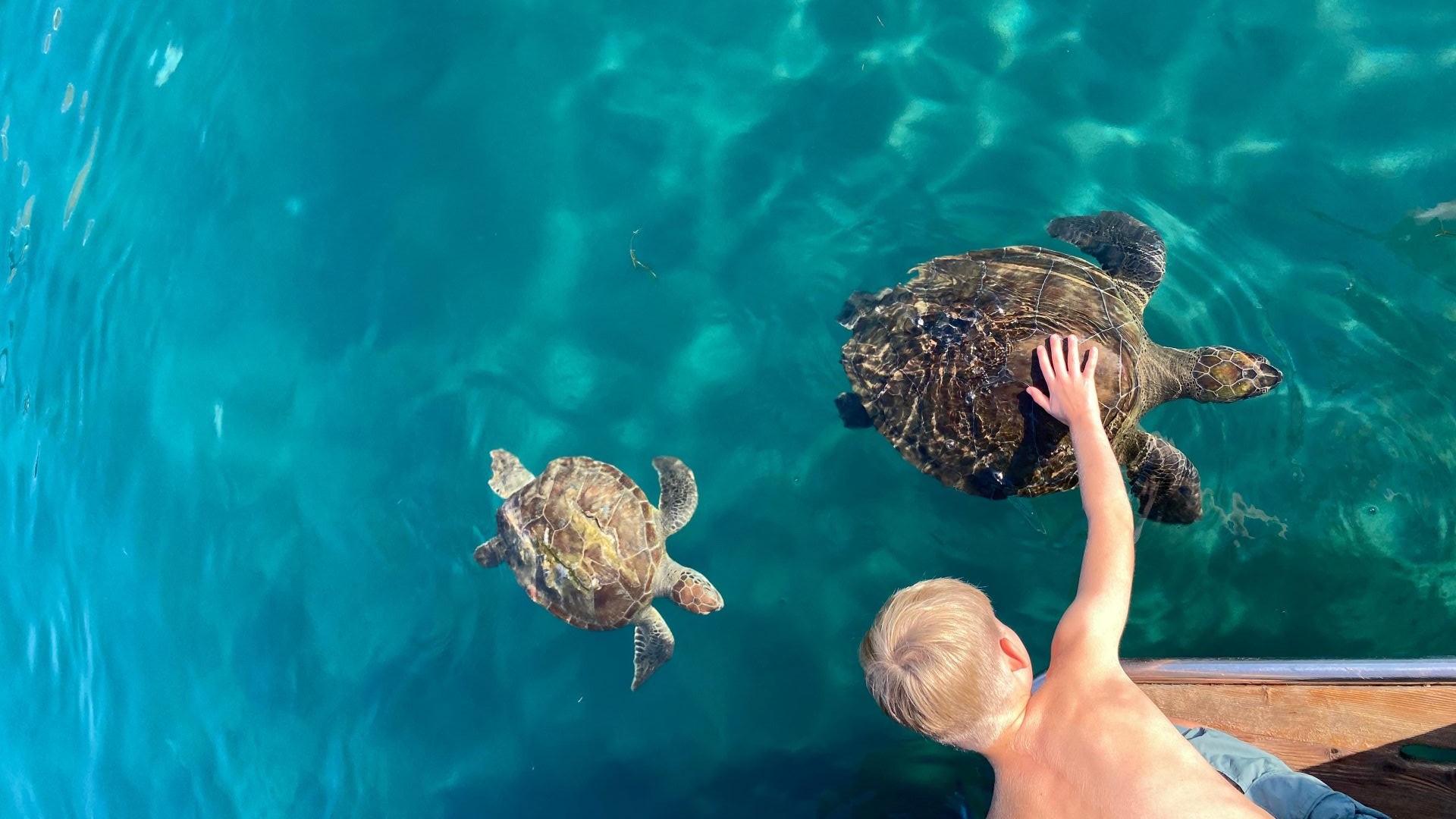
Demre’s coastline has been designated as a sea turtle nesting area. The coastal stretch is divided into three main sections: Beymelek Lagoon Beach, Suluklu Beach and Tasdibi Beach.
Highest nest density
Monitoring from the 2020 nesting season reported that Beymelek Lagoon accounted for approximately 43% of Demre’s recorded nests.
Sandy nesting habitat
Suluklu is one of the three main beach sections where loggerheads lay eggs in the sandy dunes of Demre.
Part of the protected coast
Tasdibi forms part of the wider nesting area and contributes to the regional importance of Demre for sea turtles.
114 recorded nests
A scientific monitoring study reported 114 Caretta caretta nests along Demre’s beaches in the 2020 season, equal to about 12.4 nests per kilometre.
Nearby Finike also matters
The nearby district of Finike, west of Demre, is another important nesting site for loggerhead turtles. Finike’s coastline extends approximately 21 km and has been recorded to host more than 300 loggerhead nests in a good season.
Occasionally, the green sea turtle, Chelonia mydas, a rarer species in the region, has also been observed nesting in the Finike-Demre area, with about 5–7 green turtle nests per season. This shows that Demre and its surroundings are important not only locally, but also for sea turtle populations across the Mediterranean.
Threats and challenges for Demre’s sea turtles
The ancient cycle of Caretta caretta is increasingly threatened by human activity. Tourism, plastic pollution, fishing pressure, artificial lighting and climate change all make survival more difficult for sea turtles in Demre and other Mediterranean nesting areas.
Tourism and coastal development
During summer, Mediterranean beaches experience intense tourist activity. Artificial lights at night, including hotel lights, street lamps, vehicle headlights, campfires and beach parties, can prevent females from nesting and disorient hatchlings.
Hatchlings normally follow the natural glow of the sea. When artificial lights are stronger, they may crawl toward hotels or roads instead of the water, where they can die from dehydration, exhaustion or predation.
Daytime beach use also creates risks. Sun loungers, umbrellas, ATVs, deep holes, sandcastles and trampling can damage nests or trap hatchlings. Loud music and crowded night events increase stress in nesting areas.
Keep nesting beaches dark, quiet and obstacle-free at night.
Plastic pollution and ghost nets
Plastic pollution is one of the greatest modern threats to sea turtles. Loggerheads can mistake floating plastic bags and debris for jellyfish or other prey. Ingesting plastic can cause intestinal blockage, injury, starvation and death.
Discarded fishing lines and ghost nets are also dangerous. Turtles may become entangled, leading to drowning, serious injury or loss of limbs. Young turtles are especially vulnerable because floating microplastics can look like food at the sea surface.
Leave no plastic behind, pick up litter when possible and avoid single-use items near the coast.
The effects of climate change
Rising temperatures affect both the nesting environment and the sex balance of hatchlings. Since sex is determined by incubation temperature, warmer sand can produce more females and fewer males.
In the long term, a shortage of males could harm reproductive success. Extreme heat can also stop embryos from developing properly, meaning eggs may never hatch.
Sea-level rise, stronger storms and coastal erosion can flood or destroy nests. A single severe storm during incubation can wash away hundreds of eggs before they have a chance to hatch.
Suitable nesting beaches may shrink as sea levels rise and coastal erosion increases.
Conservation efforts and projects in Demre
In Demre and its surroundings, sea turtle conservation is a collaborative effort between government agencies, universities, NGOs, local initiatives and volunteers. In Turkey, sea turtle conservation is primarily coordinated by the General Directorate of Nature Conservation and National Parks under the Ministry of Agriculture and Forestry.
Official coordination
Each nesting season, official agreements are made with authorized universities and NGOs to monitor and protect nesting beaches.
Scientific monitoring
Çanakkale Onsekiz Mart University Sea Turtle Application and Research Center contributes research and monitoring support.
Local field action
Likya Nature Sports Club works on the ground with volunteers, helping protect nests and support awareness activities.
Night patrols and nest care
Volunteers track nesting females, mark nests, protect hatchlings and help injured adults reach rehabilitation support.
Scientists and volunteers patrol beaches at night, identify nests and secure them with protective wire cages and warning signs. These simple-looking measures reduce accidental human damage and help protect nests from predators such as foxes, dogs and other animals.
Volunteers also help reduce artificial light disturbance, guide hatchlings only when necessary and under expert supervision, assist with injured turtles and support public awareness. In 2021, young volunteers from the European Solidarity Corps joined sea turtle protection work in the region, helping monitor nests, clean beaches and support hatchling safety.
Conservation also involves fishermen and tourism businesses. Fishermen are encouraged to use Turtle Excluder Devices, which help turtles escape fishing nets. Hotels and beach businesses are informed about reducing light pollution, removing sun loungers at night and limiting noisy activities during nesting season.
NGOs, rehabilitation and community support
NGOs play an important role in sea turtle conservation across Turkey. WWF-Turkey runs national campaigns for sea turtle protection, while local and specialist organisations help with long-term monitoring, rescue and education.
Long-term monitoring
The Ecological Research Society conducts monitoring in important nesting areas such as Belek, Çıralı and other key beaches.
Rescue and rehabilitation
The Sea Turtle Research, Rescue and Rehabilitation Center provides medical treatment for injured turtles and public education.
Local support
Demre Municipality and local authorities support logistics, beach clean-ups and awareness materials for conservation work.
Conservation in Demre combines scientific research, official permission, local volunteers, beach monitoring, tourism guidance and emergency response. The goal is not to separate people from nature completely, but to create a coastline where people and turtles can coexist responsibly.
Observing Caretta carettas in Demre
For nature lovers visiting Demre, observing Caretta caretta can be unforgettable. But this experience should never come at the expense of the turtles. The safest and most educational way to learn about them is through guided awareness events, morning monitoring activities or public nest excavations organized by conservation teams.
Nesting season
Loggerhead nesting season usually begins in May and continues until the end of August.
Egg laying
Females typically come ashore to lay eggs between May and July, usually at night.
Hatchling emergence
Hatchlings often begin emerging around mid-July and may continue into early September.
Best learning moment
Sunrise monitoring and public nest checks can be the most responsible way to witness the process.
If you see a nesting female at night
- Use only red-filtered light if you are with trained guides.
- Never use flash photography.
- Stay silent and avoid sudden movement.
- Do not approach the turtle from the front.
- Keep your distance and follow conservation team instructions.
Key guidelines for responsible ecotourism
If you visit turtle beaches around Demre, your behaviour matters. Small actions can either protect or endanger hatchlings, nesting females and the beaches they depend on.
Avoid the beach at night
Avoid entering nesting beaches between 9:00 PM and 6:00 AM during nesting season. These are critical hours for females and hatchlings.
Minimize light pollution
Close curtains near the beach, reduce outdoor lighting, avoid vehicle headlights and use red-filtered lights only when appropriate.
Remove beach furniture
Sun loungers, umbrellas and objects left on the sand can block nesting turtles and trap hatchlings.
Fill holes in the sand
Holes and sandcastles may seem harmless, but hatchlings can fall in and become trapped before reaching the sea.
Leave no plastic behind
Even a single plastic item can become deadly if a turtle eats it or becomes entangled in it.
Never touch or chase turtles
If you see a turtle while swimming or boating, watch from a distance. Do not touch, chase, feed or surround it.
What to do if you see a turtle at sea
Seeing a Caretta caretta lift its head above the Mediterranean can be a magical moment. But turtles at sea also need space. Responsible observation means staying calm, keeping distance and avoiding behaviour that causes stress.
Responsible behaviour on the water
- Do not jump directly toward a turtle.
- Do not try to touch, grab, ride or feed it.
- Do not chase the turtle with a boat, kayak or paddleboard.
- Follow the captain’s instructions during boat tours.
- Engines should be slowed or stopped when observing from a safe distance.
- Give the animal an easy escape route and let it choose where to swim.
Witnessing Caretta carettas in Demre
Observing Caretta caretta in Demre is witnessing one of nature’s great miracles: tiny hatchlings leaving the sand, crossing the beach and entering the sea, only to return decades later to the same coast to continue the cycle.
As visitors, we are not just spectators. We are temporary guardians of a fragile process. Every nest protected today means a better chance of more turtles returning to the Mediterranean in the future.
The most meaningful way to experience turtles in Demre is not through interference, touching or chasing, but through quiet respect, patient observation and support for local conservation work.
Final words: this world is their home too
For thousands of years, the pristine shores of Demre have been intertwined with the journeys of Caretta caretta. Along the legendary Lycian coast, a timeless struggle for survival unfolds each summer.
In this guide, we explored the biology and migration routes of loggerhead turtles, the nesting sites in Demre, the threats they face and the ongoing conservation efforts that help protect them. One thing is clear: the fate of these turtles is closely connected to human behaviour.
If we act responsibly, respect their habitat and support conservation efforts, future generations may still witness the incredible sight of baby turtles racing toward the sea in Demre.
Protecting sea turtles is not only about saving one species. It is about preserving the unique biodiversity of the Mediterranean. The turtles of Demre remind us that coexistence with nature is possible. Let’s respect their journey, observe with curiosity and step up when needed.
Because this world is not just ours. It is their home, too.
Frequently asked questions about Caretta carettas in Demre
Nesting season generally begins in May and lasts until the end of August. Females usually lay eggs between May and July, while hatchlings begin emerging around mid-July and may continue until early September.
Demre’s nesting coastline is divided into three main sections: Beymelek Lagoon Beach, Suluklu Beach and Tasdibi Beach. Beymelek Lagoon has been reported as the section with the highest nest density.
It may be possible to witness hatchling activity during the season, but visitors should only observe responsibly, preferably through guided monitoring or public awareness events organized by conservation teams.
No. You should never touch, chase, feed or surround a sea turtle. Observe from a respectful distance and allow the turtle to continue its natural behaviour.
Hatchlings use the natural glow of the sea horizon to find the water. Artificial lights from hotels, streets, vehicles or beach parties can confuse them and lead them away from the sea.
Visitors can avoid beaches at night during nesting season, reduce light pollution, remove beach furniture, fill holes in the sand, leave no plastic behind and never disturb turtles on land or at sea.
References and further reading
Planning a blue cruise in Turkey?
Tell us your dates, route preference and group size. We’ll help you find the right gulet cruise or private boat option.