
Kayaköy Ghost Village: History and How to Visit from Fethiye
A practical guide to Kayaköy Ghost Village near Fethiye, from the history of Levissi to the two hillside churches, local buses and tips for visiting the ruins.


A guide to Kayaköy Ghost Village
From the valley road south of Fethiye, you can see the stone houses of Kayaköy climbing the hillside. Two churches still stand among the lanes and roofless homes of Levissi, a Greek Orthodox community displaced in the 1920s. The hillside is an archaeological site today. Down in the valley, modern Kayaköy is still a working village, with places to eat and stay.
Allow about 60–90 minutes for the lower lanes and main sights, or around two hours if you plan to climb higher and stop for photos. The site is an easy half-day from Fethiye, and you can see two different sides of the area by spending the morning here and the afternoon by the sea.
Getting to Kayaköy from Fethiye and Ölüdeniz
From Fethiye. Kayaköy is about 8 km south of town. If you’re driving or taking a taxi, use Kayaköy Örenyeri as your destination so you end up by the archaeological site. If you’re going by public transport, check the MUTTAŞ 3-4 Fethiye–Kayaköy timetable. Look up the return departure before you head uphill.
From Ölüdeniz, Ovacık or Hisarönü. You can drive or take a taxi via Hisarönü. If you’re staying in Ovacık or Hisarönü, check the operator’s Fethiye route list for line 3-44 and its stops. From the beachfront in Ölüdeniz, allow for a connection if going by bus.
Tickets, opening hours and what to bring
Kayaköy is a ticketed archaeological site. The Ministry lists €3 for international visitors and accepts MuseumPass. When checked in November 2026, the official site listed 08:30–18:00 daily, with last entry at 17:30. Hours can vary, so check the listing for your date, especially if you plan to arrive late. Official opening hours · Official admission tariff.
Wear shoes with grip and carry water and sun protection. The lanes can be steep and stony, and there is little shade on the slope. Plan food and café stops in the village below. Follow the signed paths and stay outside closed buildings and fenced areas.
Why the hillside village was left empty
The houses and churches you see on the slope are largely from the late Ottoman settlement of Levissi. The area has an older history, with rock-cut tombs pointing to its place in ancient Lycia near Telmessos, today’s Fethiye. As you explore, the stone homes and church buildings tell the story of a much more recent community. Türkiye’s Culture Portal.
In 1923, Greece and Türkiye agreed to a compulsory population exchange. The convention classified most people subject to exchange by religion and nationality, with specified exceptions. The Greek Orthodox residents of Levissi had to leave. The stone houses they left behind now overlook a valley where people still live and work. 1923 exchange convention · Fethiye district’s Kayaköy profile.
What to see among the ruins
The Lower Church (Panayia Pirgiotissa). Look for it on the western side of the settlement. Its larger walls make it easy to distinguish from the houses nearby. Start here if you want to spend less time on the higher paths. Church interiors may be closed, but you can see the building from permitted areas outside. Muğla’s heritage guide.

The Upper Church (Taksiyarhis). This is the church in the central, higher part of the village. On the way up, look back at the tiled roofs and fields below. That view makes it easier to see where the hillside settlement ended and the valley began. Small chapels and the former school are part of the site as well.
The houses and lanes. Notice how one row sits above the next so that light and views reach the houses behind it. Families generally lived upstairs and used the lower level for storage. Cisterns collected rainwater beside some entrances. From the lanes you can often pick out a doorway, an old window opening and the line of a staircase in the same house. Architectural notes from the Culture Portal.
When to go and where to stay
Spring and autumn are usually the most comfortable times for the climb. In summer, go near opening time or later in the afternoon and leave yourself enough time before last entry. Rain can make the stone underfoot slippery in winter. On a hot day, a shorter walk through the lower lanes followed by lunch in the valley is a good plan.
Stay in Kayaköy if you want a quiet village base. Choose Fethiye for buses and a wider choice of places to eat, or Ölüdeniz if a beach day matters most. Our guide to where to stay in Fethiye compares those bases.
How to fit Kayaköy into a day on the Lycian Coast
Visit Kayaköy in the morning, then head to Gemiler Bay or Ölüdeniz for a swim. Gemiler Island has its own history and ruins across the water. If you want to go ashore there, check boat arrangements before you leave. Save Butterfly Valley for a boat outing if you’d rather keep this day at an easy pace.
For more places to explore, see our guide to the Fethiye rock tombs and Fethiye itinerary. Our Gulet Cruise with Cappadocia Tour includes a land stop at Kayaköy after Gemiler Beach on day six.
Questions about visiting Kayaköy
How long do you need at Kayaköy Ghost Village?
Allow about an hour to an hour and a half for a shorter visit. Set aside around two hours if you want to explore the higher lanes and photograph both churches.
Does anyone live in Kayaköy today?
Yes. People live in modern Kayaköy in the valley. The name “ghost village” refers to the abandoned stone houses on the protected hillside.
Can you visit Kayaköy without a car?
Yes. Check the MUTTAŞ 3-4 service from Fethiye, or take a taxi. If you’re taking the bus both ways, look up the last return departure before you go.
Can you go inside the churches?
Access can change with conservation work or safety restrictions. Follow signs at the site and look at the churches from the lanes when the interiors are closed.
Is Kayaköy suitable for children or pushchairs?
Children can visit with adults. For younger walkers, choose a short route along the lower lanes. Steps and loose stone make much of the hillside difficult with a pushchair.
Can you visit Kayaköy and Ölüdeniz on the same day?
Yes. Visit the ruins before it gets hot, have lunch in the valley, then head to Ölüdeniz for the afternoon.
More articles like this
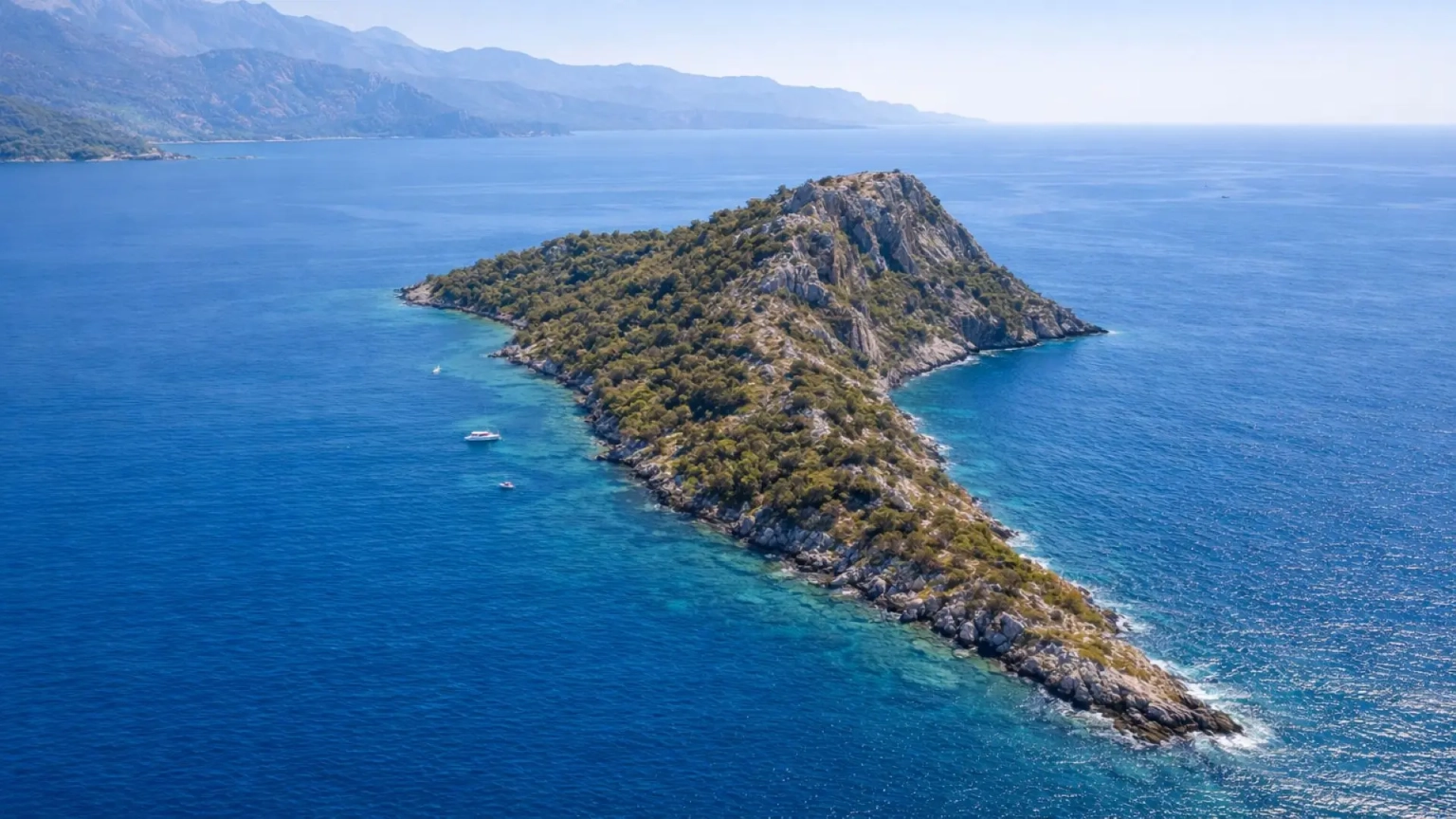
Gemiler Island, Fethiye: How to Visit St Nicholas Island
How to reach Gemiler Island by boat, what to see among the Byzantine ruins, and how to fit the island into a Fethiye day…
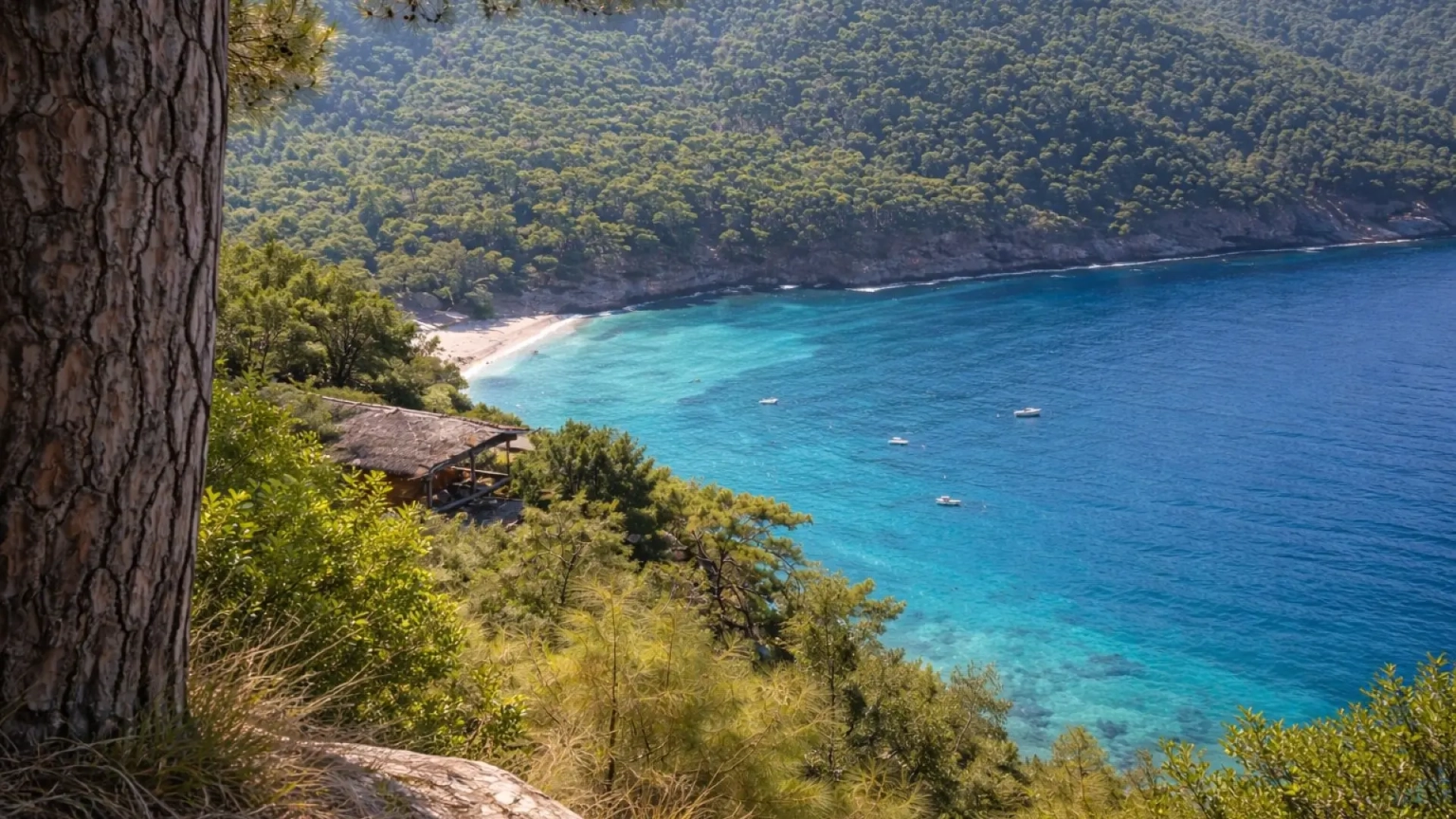
Kabak Bay, Fethiye: How to Visit Kabak Beach
Everything you need for a day at Kabak Beach or a night in the valley, including the Faralya bus, the steep descent and nearby…
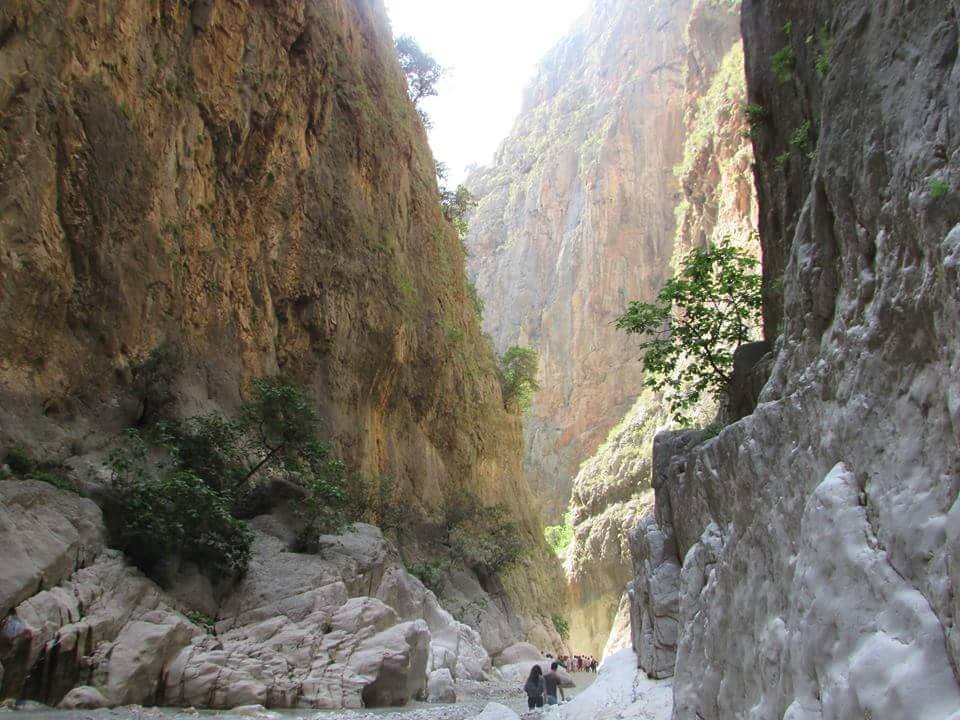
Saklıkent Canyon near Fethiye: How to Visit the Gorge
How to visit Saklıkent Canyon from Fethiye, from the dry boardwalk and cold river crossing to bus links and a day trip with Tlos.
