Lycian Way Hiking Trail: Turkey’s Most Scenic Trek.
Explore the Lycian Way, Turkey’s most famous long-distance hiking trail. Learn about its 540 km route, ancient Lycian cities, coastal scenery, difficulty level, best hiking seasons, accommodation options, planning tips, sustainability rules and how to combine hiking with a Blue Cruise along the Turquoise Coast.

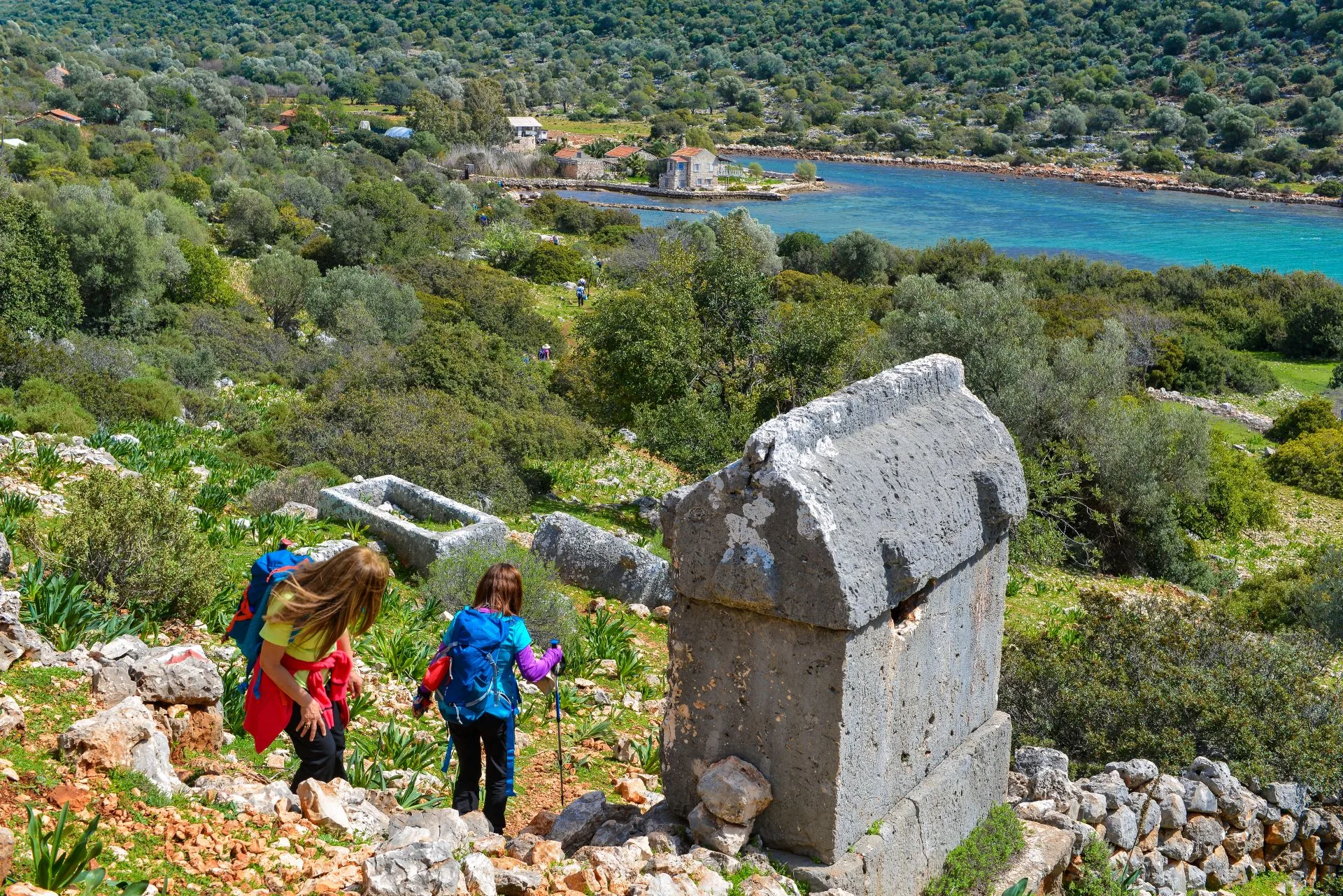
Imagine a hiking route that combines breathtaking Mediterranean scenery with ancient ruins. This is exactly what the Lycian Way offers: a long-distance trail along Turkey’s Turquoise Coast, where coastal paths, pine forests, mountain villages and Lycian archaeological sites meet.
Stretching approximately 540 km from Fethiye toward Antalya, the Lycian Way is widely regarded as one of the best long-distance hiking trails in the world. Whether you are a nature enthusiast, a history lover, or an adventure traveller, this iconic trekking route promises an unforgettable journey.
For detailed maps, route updates and practical trail information, you can also check the official Lycian Way page.
Lycian Way at a glance
The Lycian Way is not a simple beach walk. It is a varied hiking trail with ancient paths, coastal tracks, forest routes, rocky sections, steep climbs, rural villages and dramatic sea views.
Approx. 540 km
The full trail stretches from the Fethiye area toward Antalya, following the historic Lycian coastline.
25–30 days
Completing the whole route usually takes around a month, but most hikers choose shorter sections.
Moderate to challenging
Some stages are beginner-friendly, while others require good fitness, navigation awareness and hiking experience.
Spring & autumn
April–June and September–November usually offer the best balance of weather, scenery and sea temperature.
The historical and cultural significance of the Lycian Way
The Lycian Way takes its name from the ancient Lycian civilization, which thrived in this region during antiquity. As you walk the trail, you are not only crossing landscapes; you are moving through the old territory of one of Anatolia’s most distinctive maritime cultures.
The route passes near numerous ancient cities and archaeological remains. Along the way, hikers encounter Lycian rock-cut tombs, ancient theatres, fortresses, harbour ruins and sacred centres that still stand as reminders of this once-powerful civilization.
Walking the Lycian Way is therefore more than a trekking experience. It is a cultural journey through thousands of years of history, where the ruins are not locked behind museum walls but scattered naturally across the coast, mountains and villages.
Ancient cities along the Lycian Way
One of the strongest reasons to hike the Lycian Way is the chance to connect important Lycian sites on foot. Some are directly on the trail, while others are nearby and can be added with short detours or transfers.
Myra and Andriake
Myra, near modern Demre, was one of the most significant cities of the Lycian League. It is famous for its rock-cut tombs, large theatre and the Church of St. Nicholas.
Nearby Andriake was the ancient harbour of Myra and is now home to the Lycian Civilizations Museum, offering valuable insight into regional trade and maritime history.
Read about Myra →
Phellos and Antiphellos
Phellos, located in the hills near Kaş, offers powerful views of the Mediterranean and ruins carved into rugged terrain.
Antiphellos, the ancient name for modern Kaş, is known for its seaside amphitheatre, one of the most atmospheric sunset viewpoints along this part of the trail.

Xanthos and Letoon
Xanthos was the former capital of Lycia and is now a UNESCO World Heritage Site together with Letoon. It features impressive tombs, monuments and inscriptions that reveal the political and cultural strength of ancient Lycia.
Letoon was a sacred religious centre of Lycia, with temples dedicated to Leto, Apollo and Artemis.
View UNESCO listing →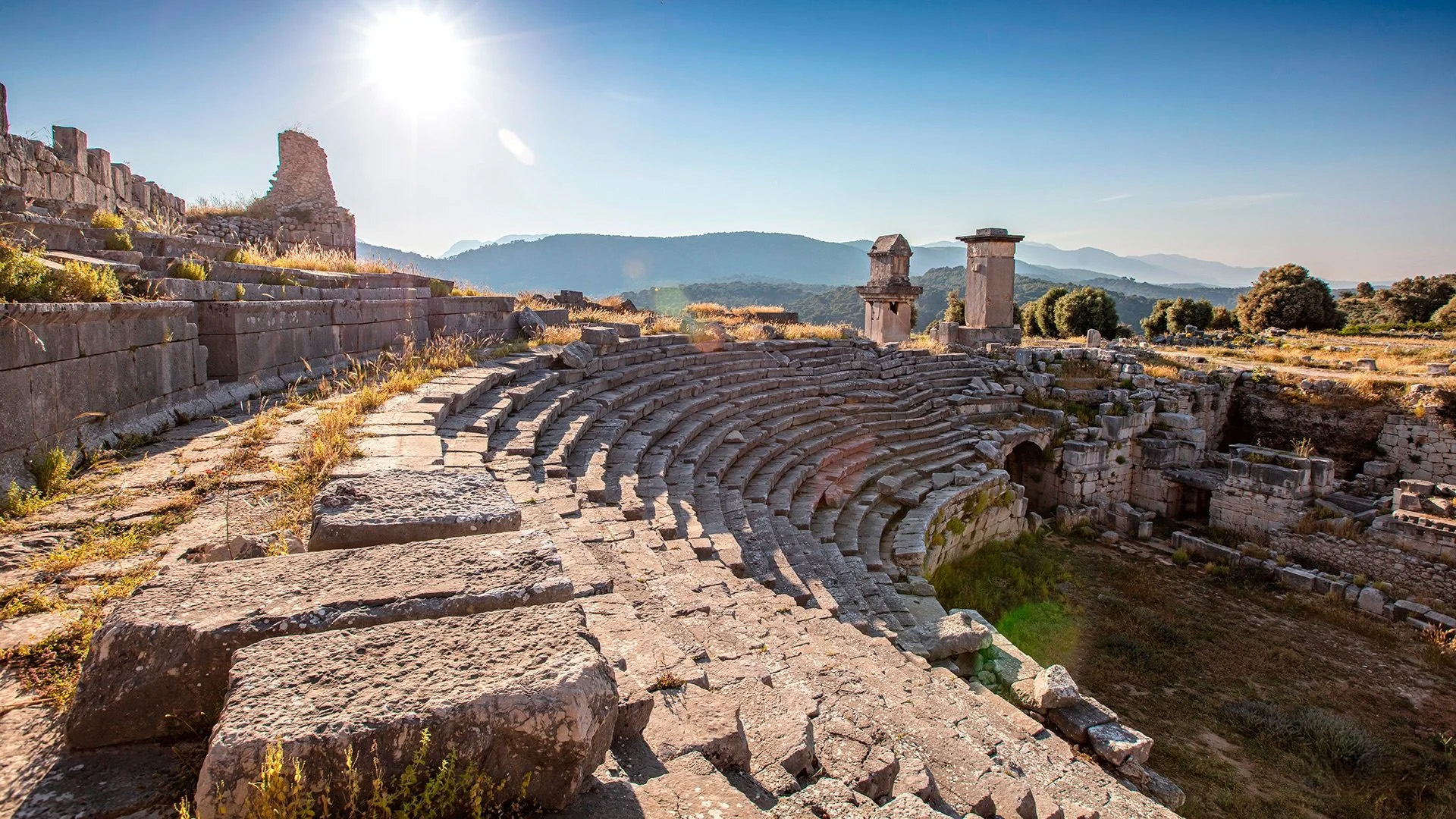
Patara
Patara was an ancient Lycian port city and is also known as the birthplace of St. Nicholas. The site includes Roman ruins, a restored assembly building and one of Turkey’s longest sandy beaches.
It is one of the best places to combine archaeological exploration with beach time during a Lycian Coast trip.
Natural beauty and scenic landscapes
The Lycian Way takes hikers through a diverse landscape of rugged cliffs, turquoise bays, dense pine forests, mountain tracks and coastal paths. The route constantly changes character, which is why even short sections can feel rich and memorable.
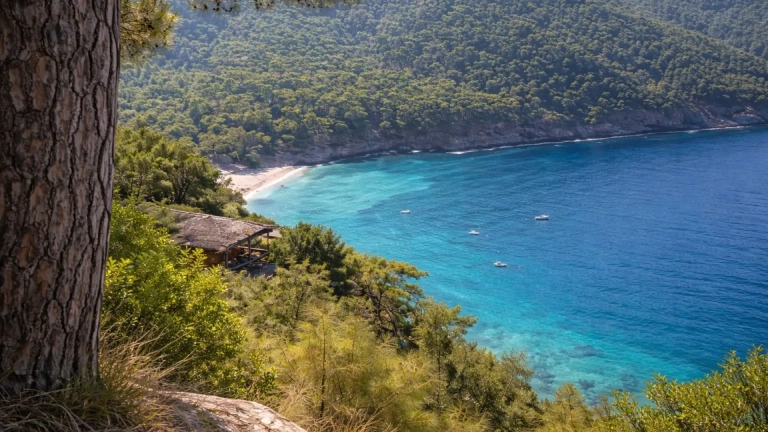
Remote nature and swimming
Kabak Bay is a remote paradise surrounded by greenery, popular with hikers, campers and travellers looking for a quieter coastal escape.
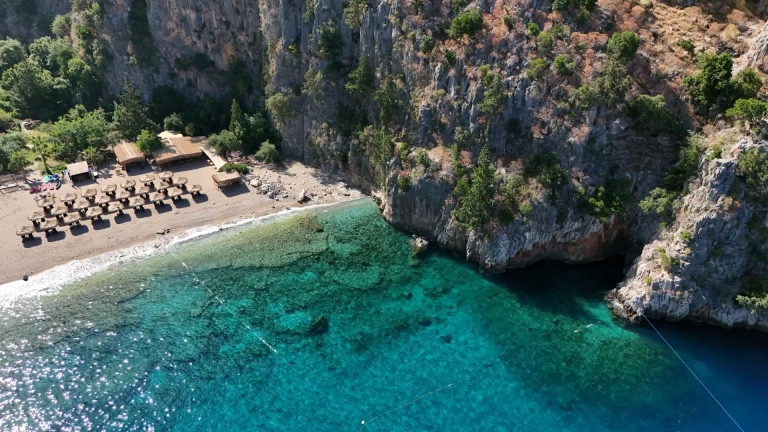
Butterfly Valley views
Faralya is famous for dramatic cliffs and panoramic views over Butterfly Valley, making it one of the most striking parts near Fethiye.
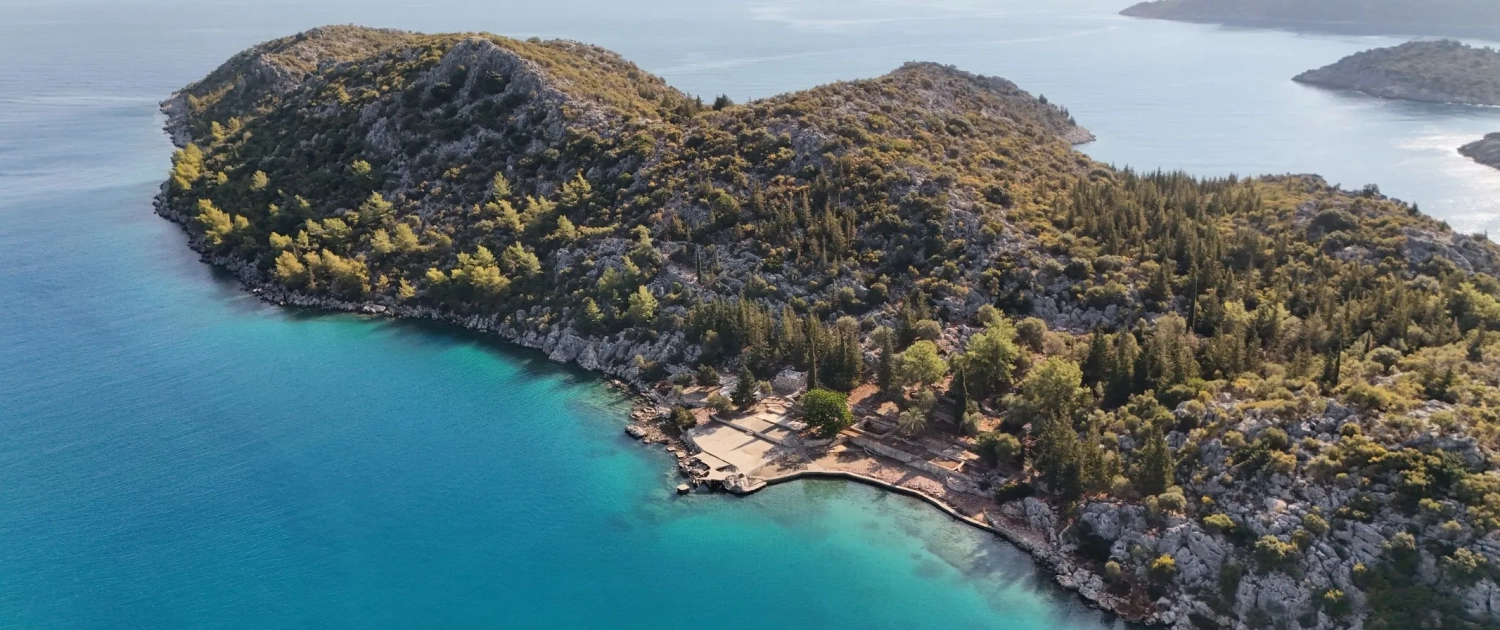
Clear water and coastal breaks
Kaş and Kalkan are known for crystal-clear water, diving, snorkeling and beautiful coastal pauses during or after a hike.
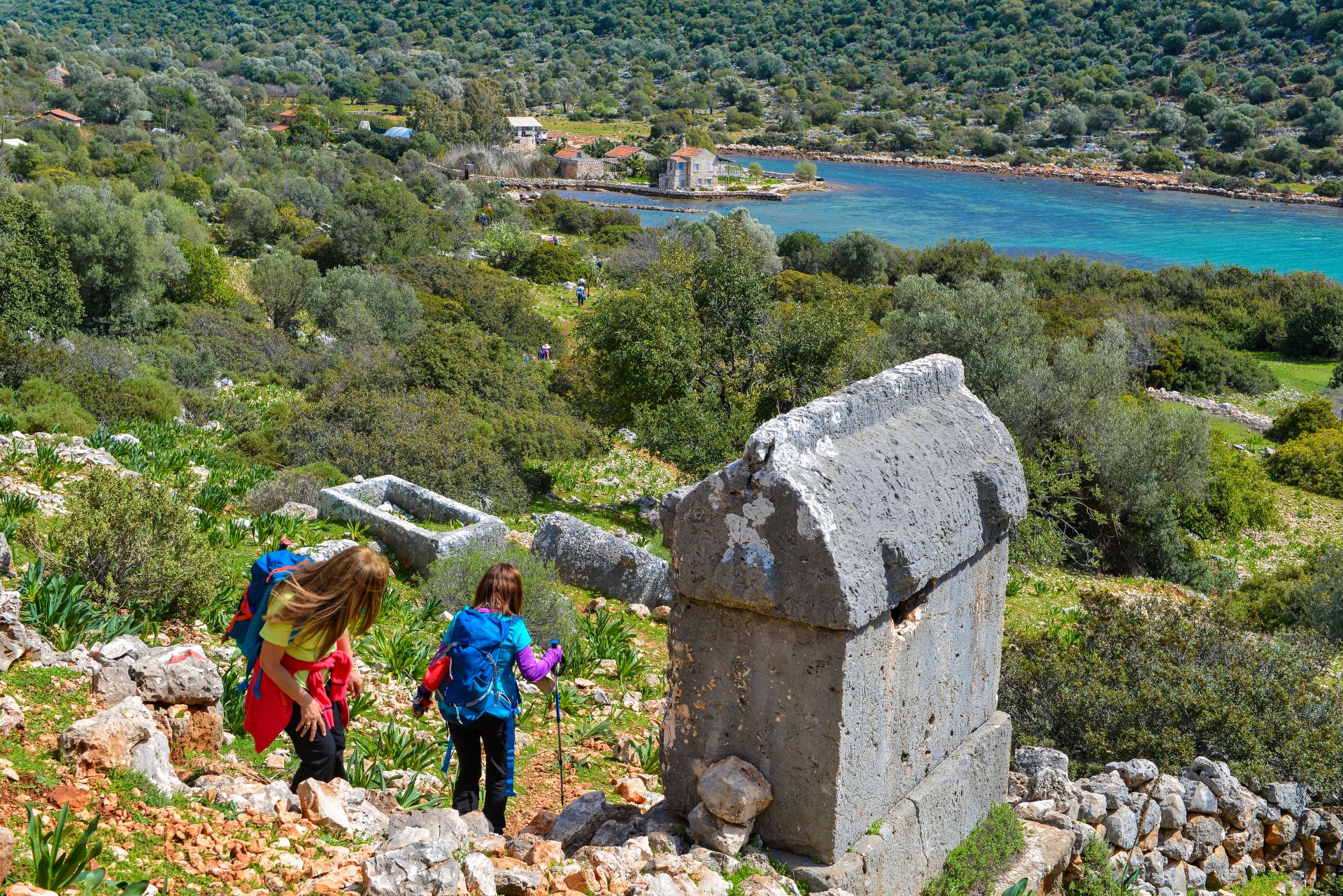
Route overview and difficulty level
Approximately 540 km
The route follows ancient paths, coastal tracks, forest trails and mountain sections from the Fethiye region toward Antalya.
Around 25–30 days
Completing the whole trail usually takes around a month, but most hikers prefer selected sections.
Moderate to challenging
The trail includes easier stages, but some sections involve steep climbs, rocky terrain and longer distances.
Boots, poles and navigation
Proper hiking boots, trekking poles, enough water and a GPS device or hiking app are strongly recommended.
Do not underestimate the trail
The Lycian Way can look relaxed because it follows the Mediterranean coast, but many stages are exposed, rocky and physically demanding. Heat, water access and navigation should be taken seriously, especially outside village areas or during summer.
Best time to hike the Lycian Way
The Mediterranean climate makes hiking possible in many months of the year, but the best seasons are spring and autumn. These periods offer milder temperatures, better walking conditions and more enjoyable scenery.
Spring
Ideal weather, blooming nature, greener landscapes and fewer crowds make spring one of the best periods for hiking.
Autumn
Mild temperatures and warm sea conditions make autumn perfect for combining hiking with swimming.
Very hot
Summer can be extremely hot, especially in open sections. Start early, avoid midday heat and carry plenty of water.
Accommodation options on the Lycian Way
The Lycian Way offers several accommodation styles depending on your route, comfort level and hiking approach. Some hikers camp, while others stay in guesthouses, boutique hotels, eco-lodges or village homestays.
Nature-focused and flexible
There are scenic spots for camping along parts of the route, giving hikers a close-to-nature trail experience. Always respect local rules, land ownership and fire safety.
Comfort in villages and towns
Guesthouses and small hotels can be found in many villages and coastal towns, offering showers, meals and local hospitality.
Authentic local stays
Eco-lodges and homestays allow travellers to support local communities while experiencing village life along the route.
Planning your hike: essential tips
Know your pace
Plan your route based on your fitness level, walking style, available time and preferred difficulty.
Study the trail sections
The Lycian Way is divided into stages. If you do not have time for the full route, choose the most scenic or historic parts.
Avoid midday heat
In summer or hot shoulder-season days, start early and rest during the hottest hours.
Plan water and food
Refill water at known sources and carry lightweight snacks, especially on remote sections.
Use navigation tools
The trail is marked with red and white waymarks, but a GPS device or hiking app is still advisable.
Carry proper gear
Hiking boots, sun protection, layers, poles, first-aid basics and enough water can make a major difference.
Guided tours vs independent hiking
The Lycian Way can be explored independently or with a guided tour. Both styles can be rewarding, but they suit different travellers.
Organized and hassle-free
Guided tours are ideal for travellers who prefer expert guidance, pre-arranged accommodation, route planning, transfers and local interpretation. They reduce logistics and are especially useful for first-time hikers.
Freedom and flexibility
Independent hiking is best for adventurers who want full control over pace, route choice and daily plans. It requires more preparation, navigation and confidence.
Combine hiking with a Blue Cruise
Some travellers combine a Lycian Way trekking adventure with sailing along the Turkish coast. This creates a powerful mix of walking, swimming, ruins, gulet comfort and coastal scenery.
Sustainability and respecting nature
As the Lycian Way becomes more popular, responsible hiking becomes even more important. The trail passes through sensitive landscapes, villages, archaeological areas and fire-prone Mediterranean terrain.
Carry out all waste
Do not leave plastic, food packaging or tissues behind. Keep the trail clean for locals, wildlife and future hikers.
Be extremely cautious
Wildfires are a major risk in the region. Avoid open fires unless clearly permitted and only use designated areas.
Spend in villages
Buy from village shops, eat at local restaurants and stay in local guesthouses or eco-lodges when possible.
The Lycian Way is more than a hiking route
The Lycian Way is not just a trail. It is an epic journey through history, nature and breathtaking coastal scenery. Whether you walk a short section or attempt the full route, each stage offers a new discovery, a new view and a deeper connection to Turkey’s ancient past.
Pack your hiking boots, embrace the adventure and immerse yourself in the magic of the Lycian Way. Whether you prefer camping under the stars, staying in a boutique guesthouse or combining the trail with sailing, this route offers one of Turkey’s most memorable adventure experiences.
For those seeking a unique journey that combines both hiking and sailing, our Sailing and Hiking in Turkey: Lycian Way Tour lets you experience the best of the coast on foot and by boat.
Would you like to explore the Lycian Way independently or with a guided tour? Contact us to plan your perfect Lycian hiking experience.
Frequently asked questions about the Lycian Way
The Lycian Way is approximately 540 km long, stretching from the Fethiye region toward Antalya along Turkey’s Mediterranean coast.
Completing the full route usually takes around 25–30 days, but many hikers choose shorter sections instead of walking the entire trail.
Spring, especially April to June, and autumn, especially September to November, are usually the best times due to milder weather.
Some sections are suitable for beginners, but the full trail includes challenging terrain, steep climbs and remote areas. Beginners should choose shorter and easier stages or consider a guided tour.
Yes. Hiking and sailing combinations are a unique way to experience the Lycian Coast, combining ancient paths, swim stops, coastal villages and gulet comfort.
Planning a blue cruise in Turkey?
Tell us your dates, route preference and group size. We’ll help you find the right gulet cruise or private boat option.